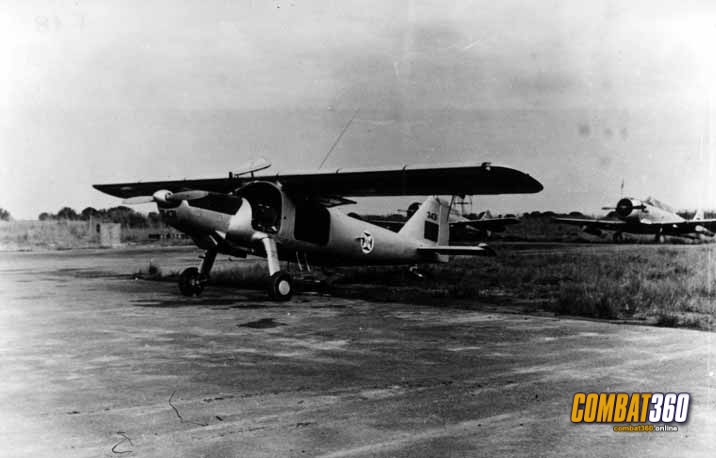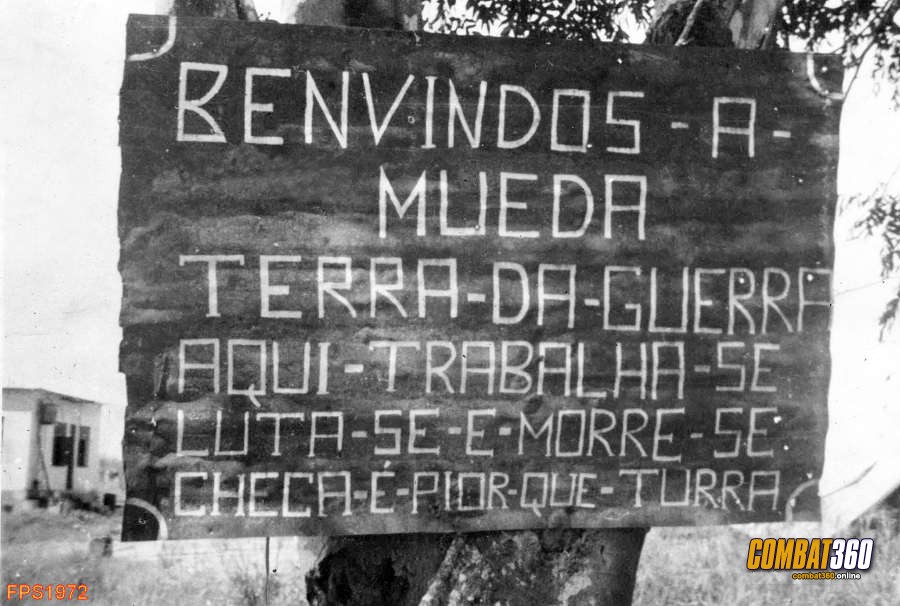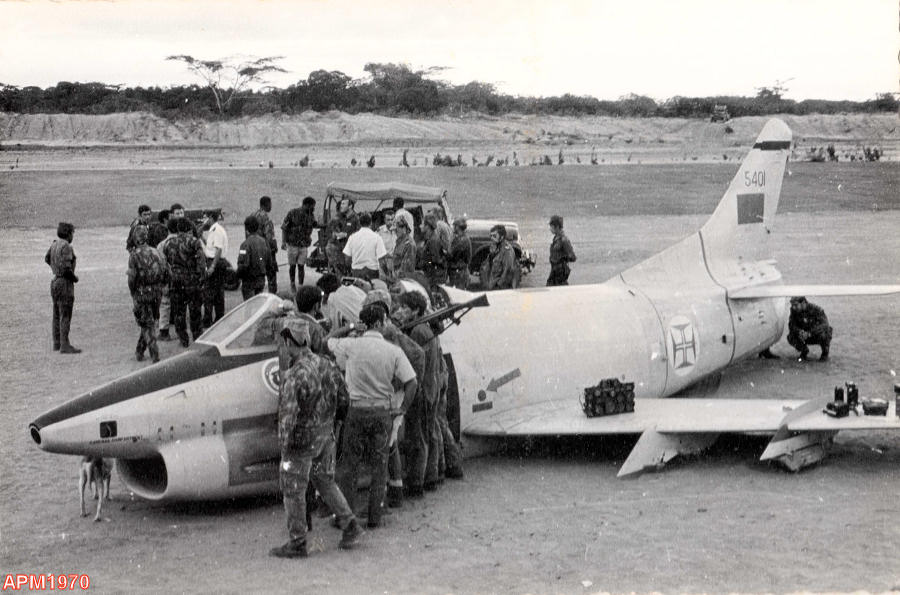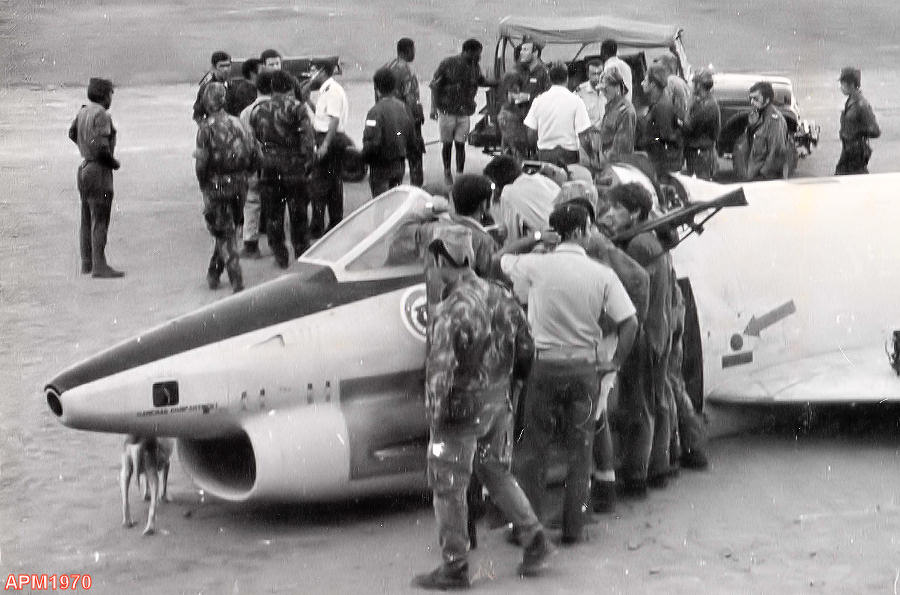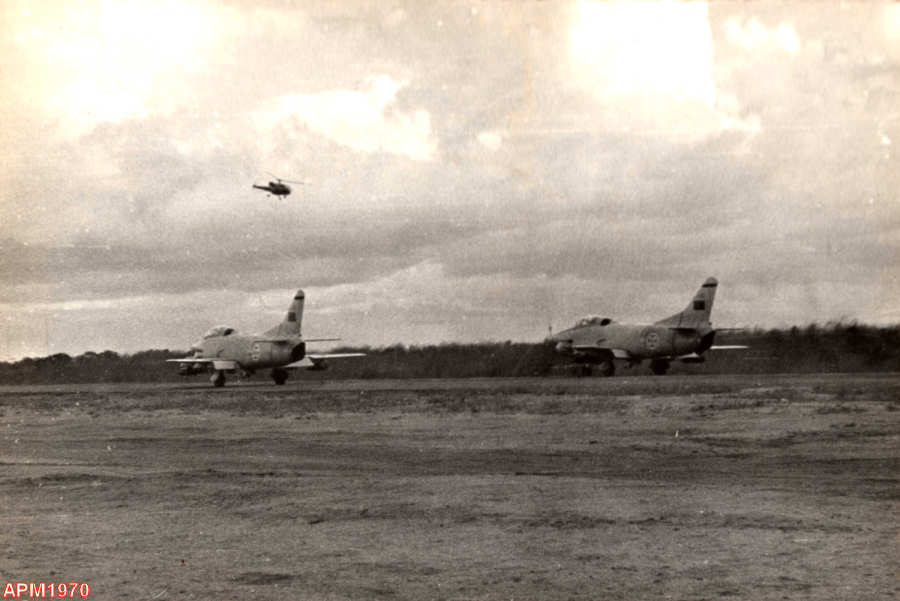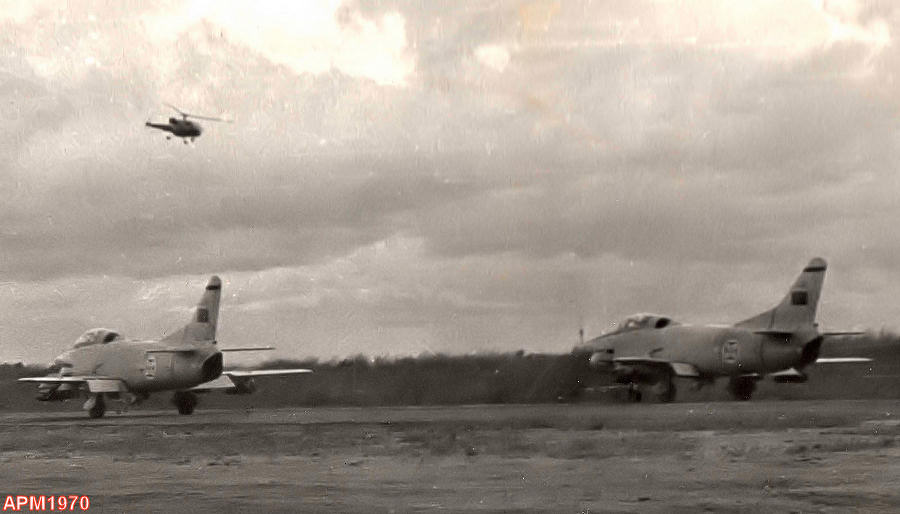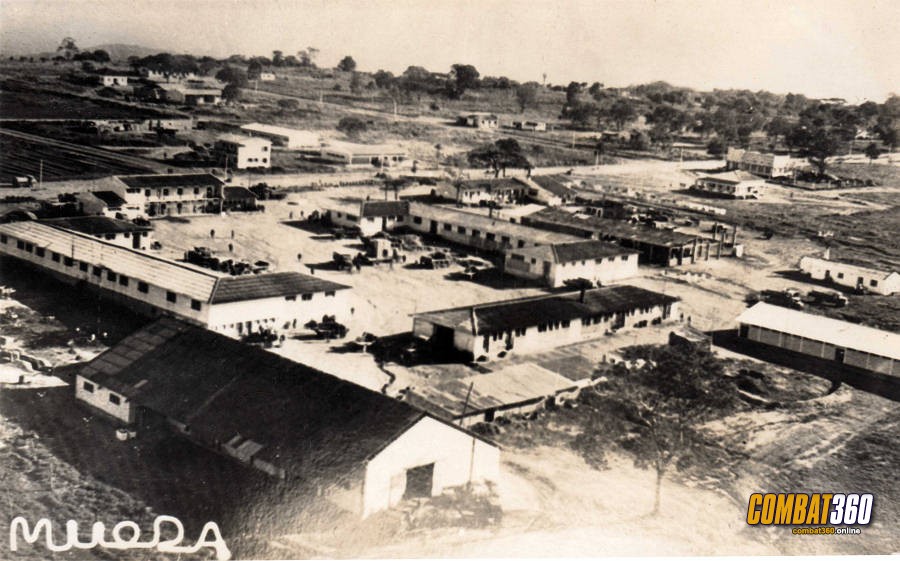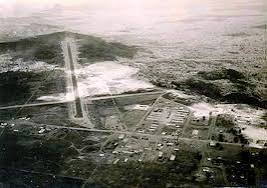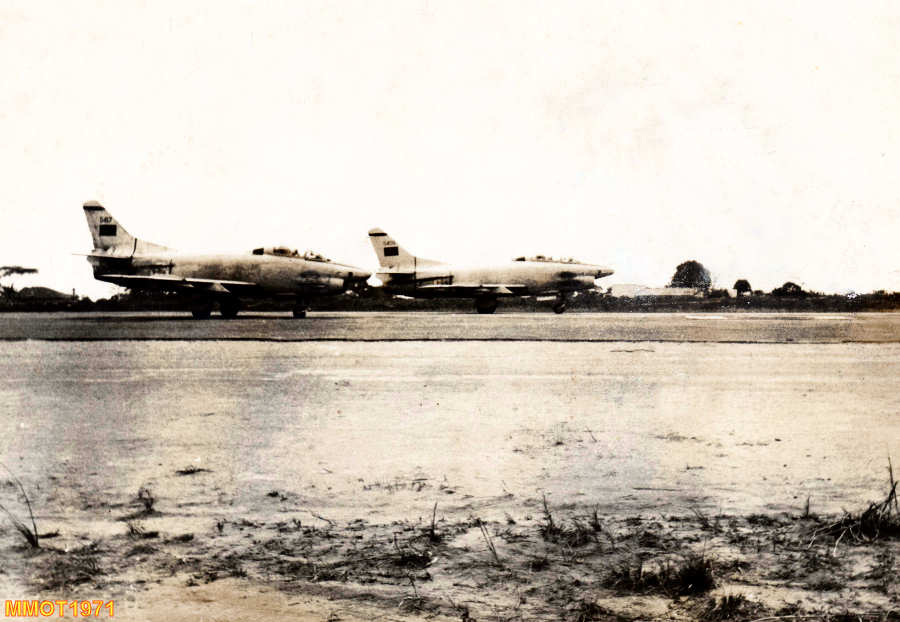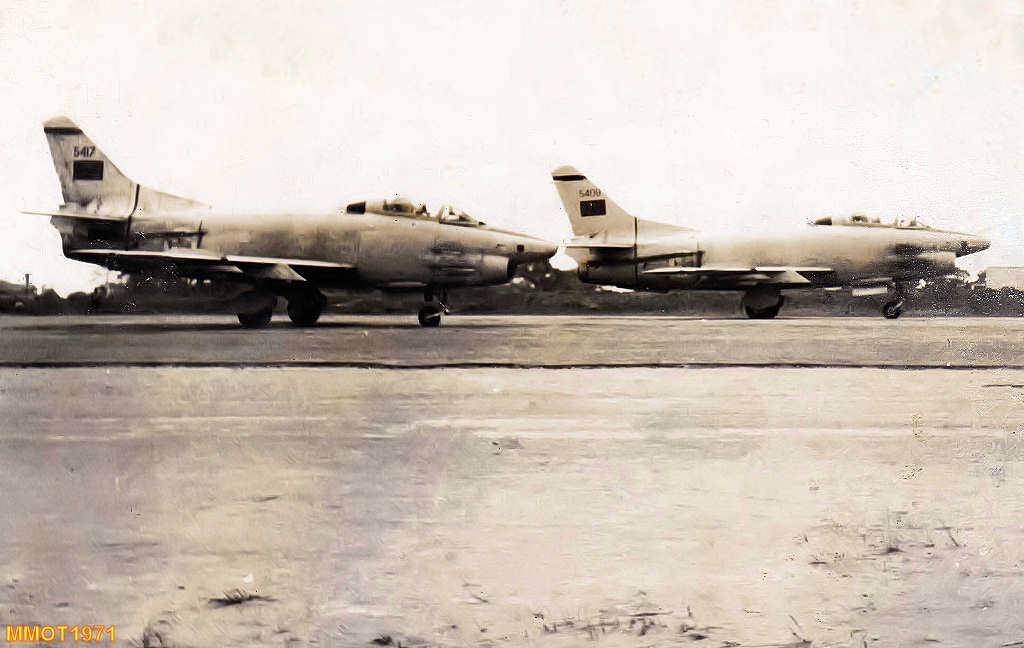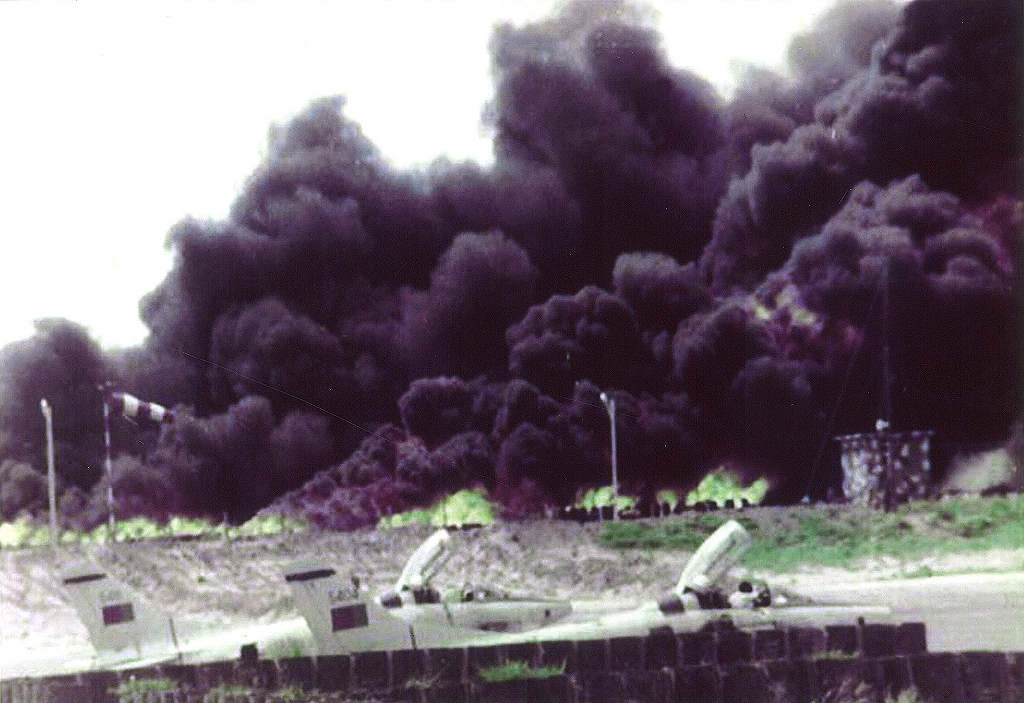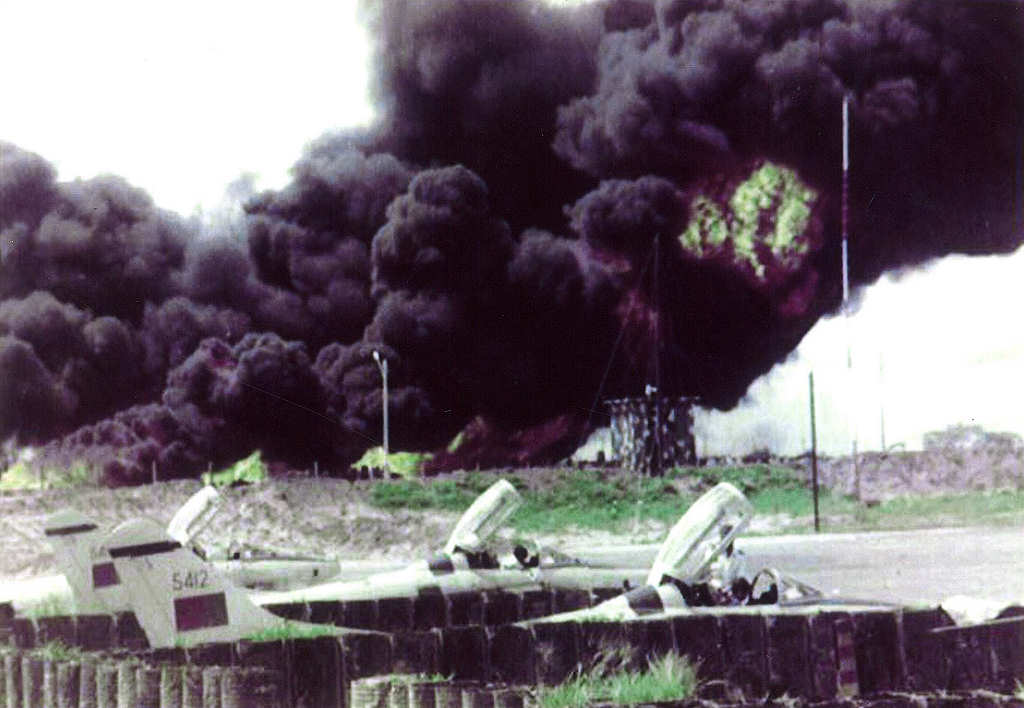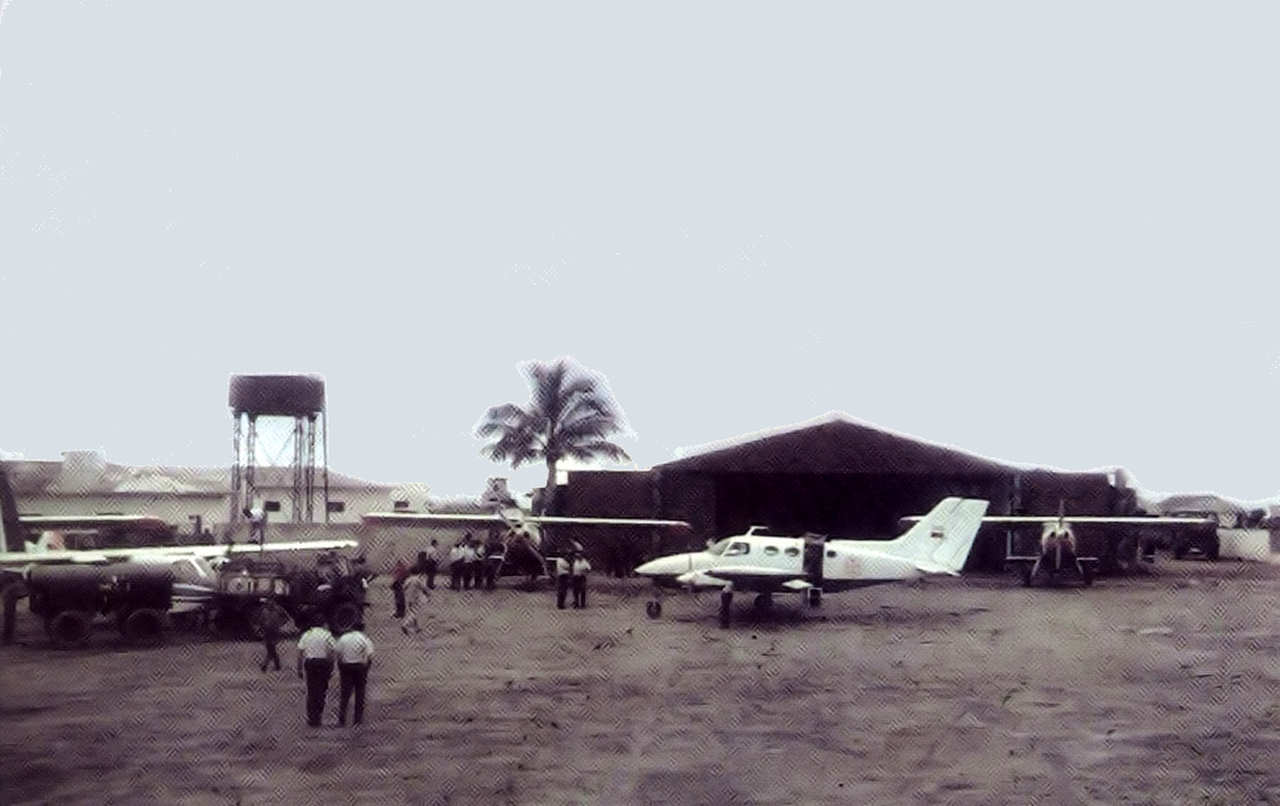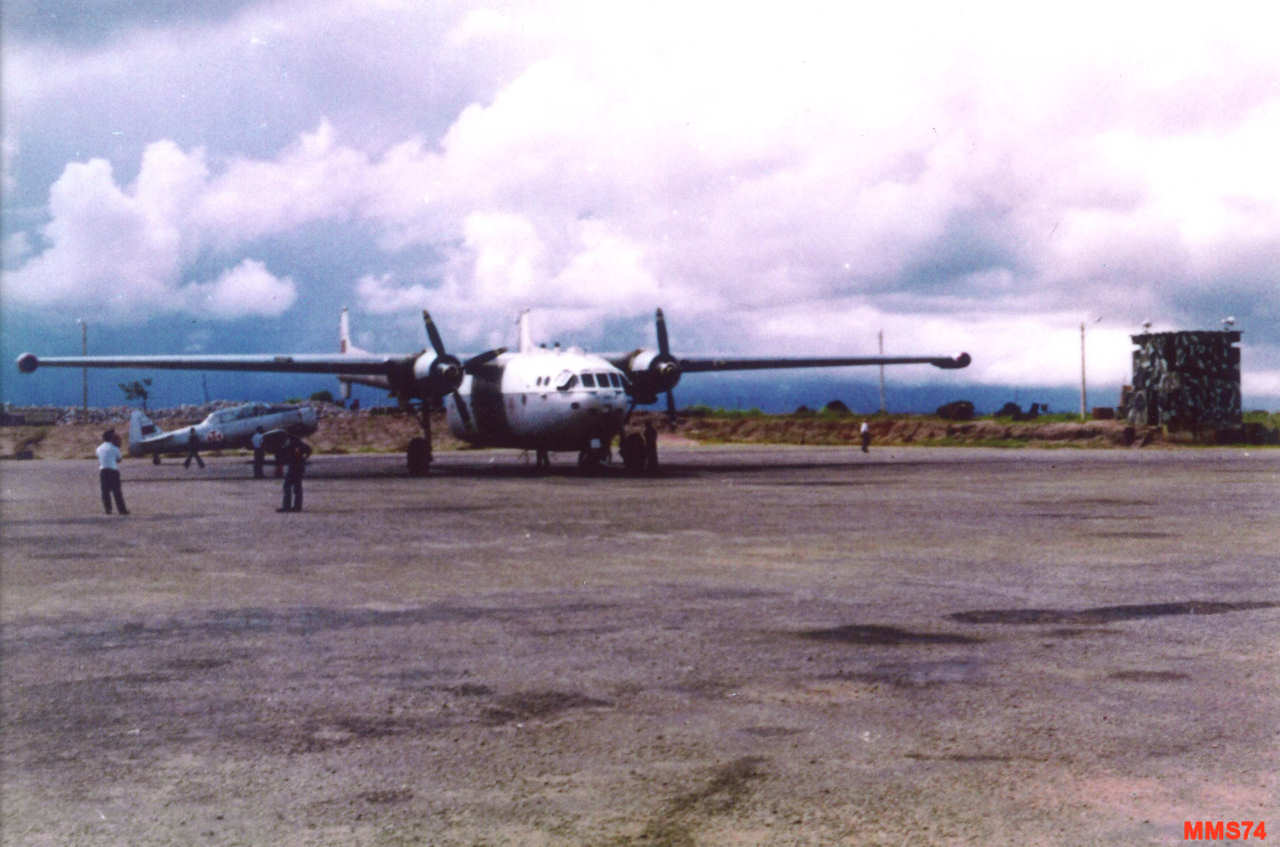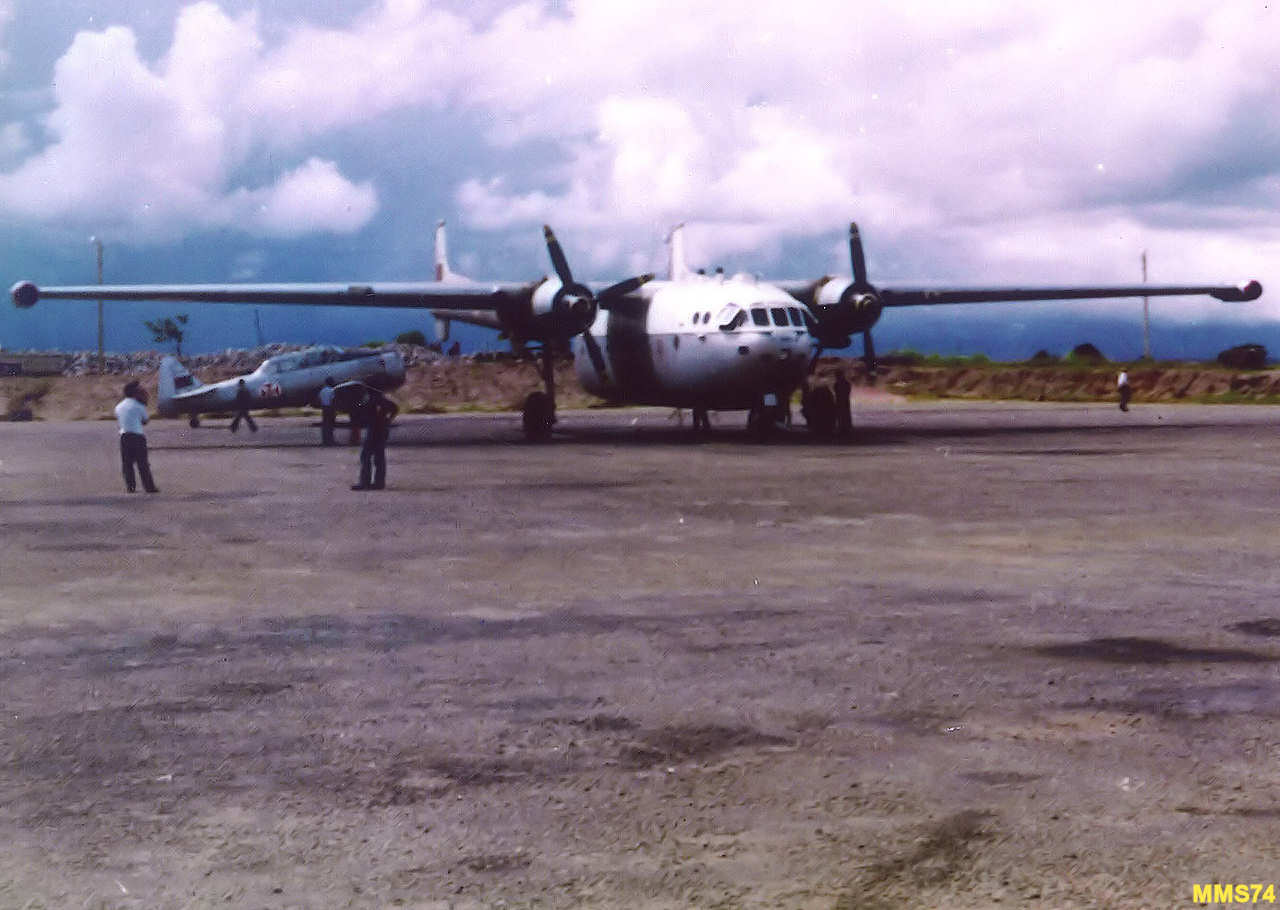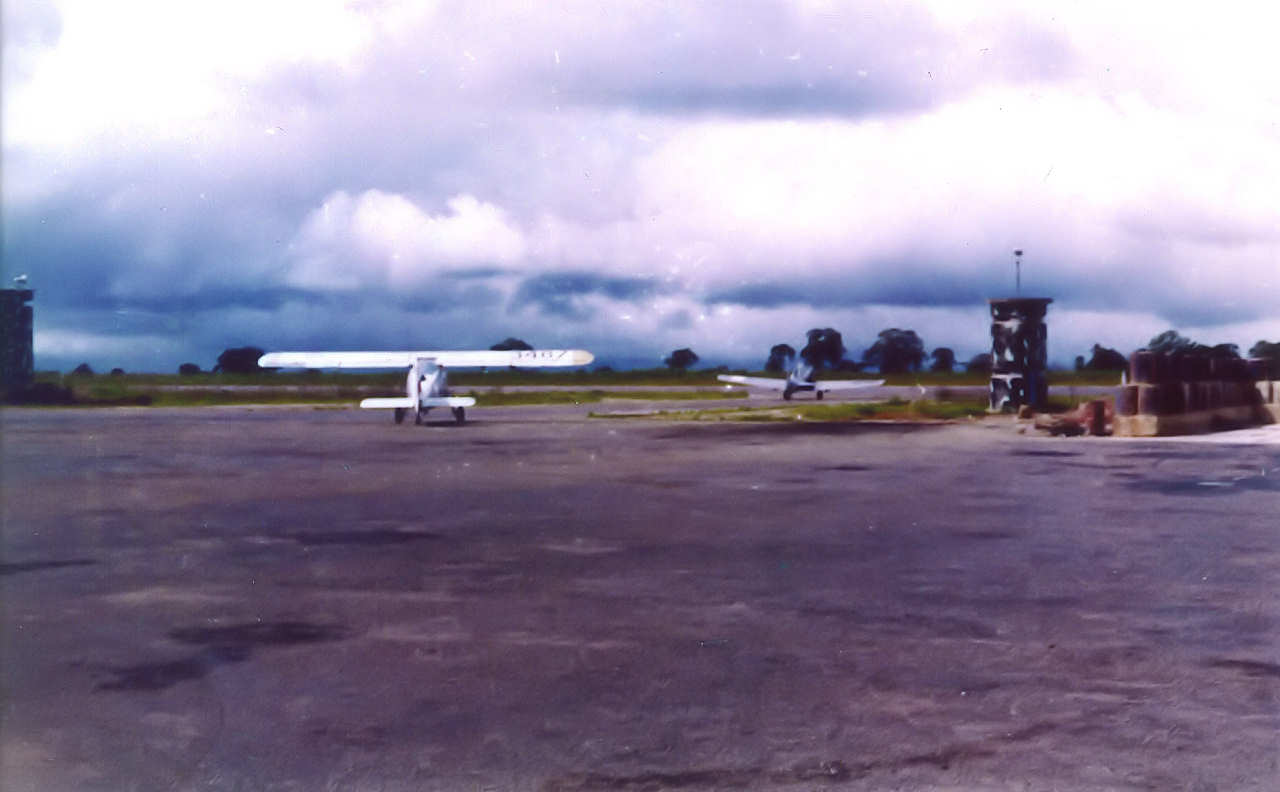
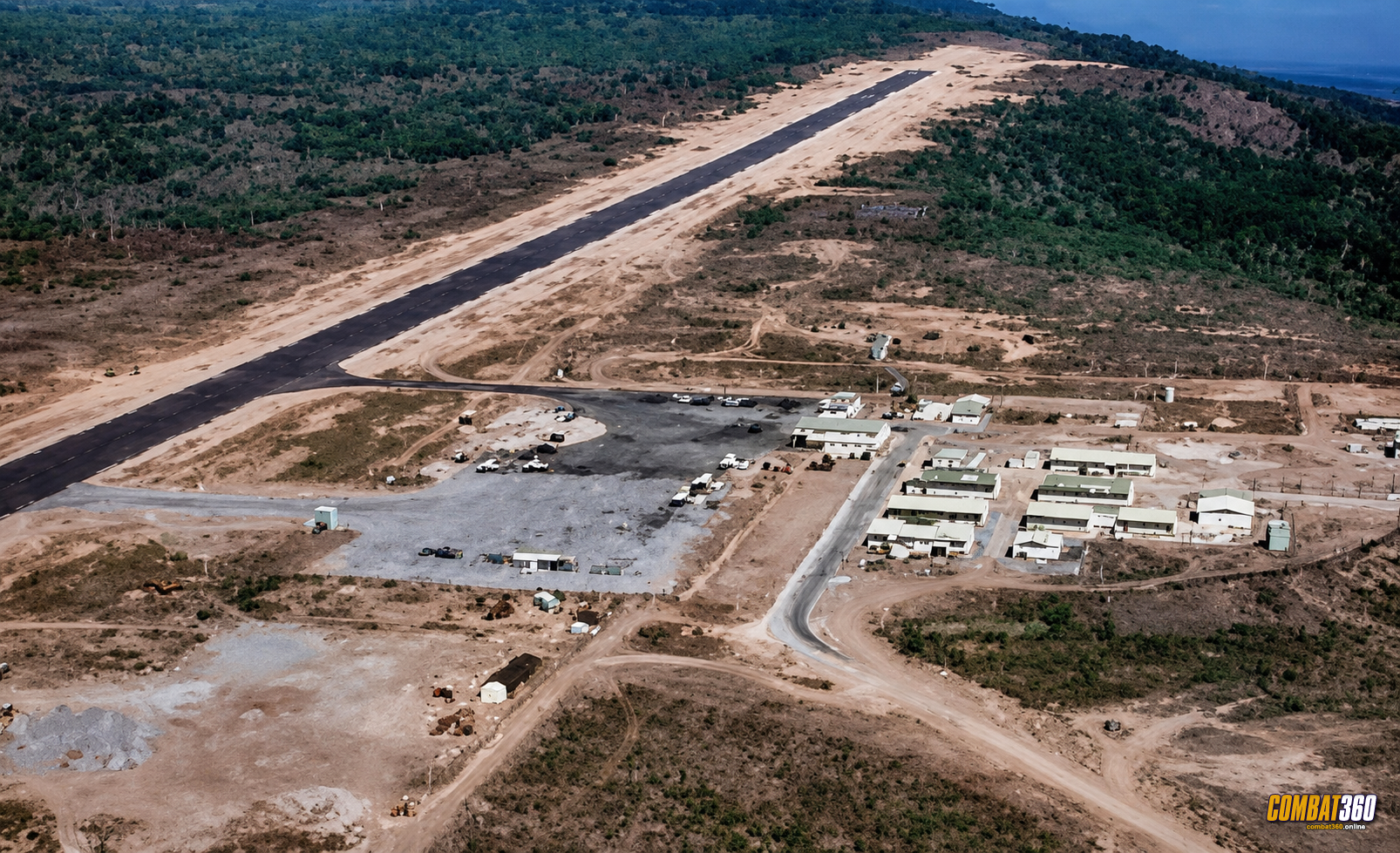
Aeródromo de Manobra Nº 51 (AM51), situated on the high plateau of Mueda in the northern Cabo Delgado province, was arguably the most critical, heavily fortified, and dangerous forward airbase operated by the Portuguese Air Force (Força Aérea Portuguesa – FAP). Unlike the secure rear-guard hubs of BA8 and BA10, AM51 sat directly inside the eye of the storm, only a short distance from the Rovuma River border and FRELIMO’s primary infiltration sanctuaries in Tanzania.
-
- The Fireforce Launchpad: AM51 was the tactical nerve center for the northern war effort. It permanently hosted detachments of Alouette III helicopters (including Canibais gunships armed with 20mm side-firing cannons) and Dornier Do 27 spotter planes. Whenever a remote infantry garrison or civilian village was ambushed, elite paratroopers and commandos stationed at Mueda would launch immediate, heliborne counter-strikes.
- The Target of Constant Siege: Because of its massive strategic importance, the airfield and the surrounding town of Mueda were under constant threat. FRELIMO routinely targeted AM51 with heavy 82mm mortar bombardments and 122mm rocket strikes launched from the dense surrounding bush. The dirt roads leading up the Mueda plateau were also the most heavily mined corridors of the entire conflict.
- The Hub of Operation Gordian Knot: In 1970, General Kaúlza de Arriaga transformed AM51 into the primary command post for Operation Gordian Knot (Operação Nó Górdio). Thousands of tons of ammunition, fuel, and supplies were airlifted into this single strip to supply the 35,000 troops sweeping the border forests.
Following the 1974 ceasefire, the heavily scarred airfield was handed over to FRELIMO forces. Today, the location remains a historic military landmark and serves as the regional Mueda Airport.