
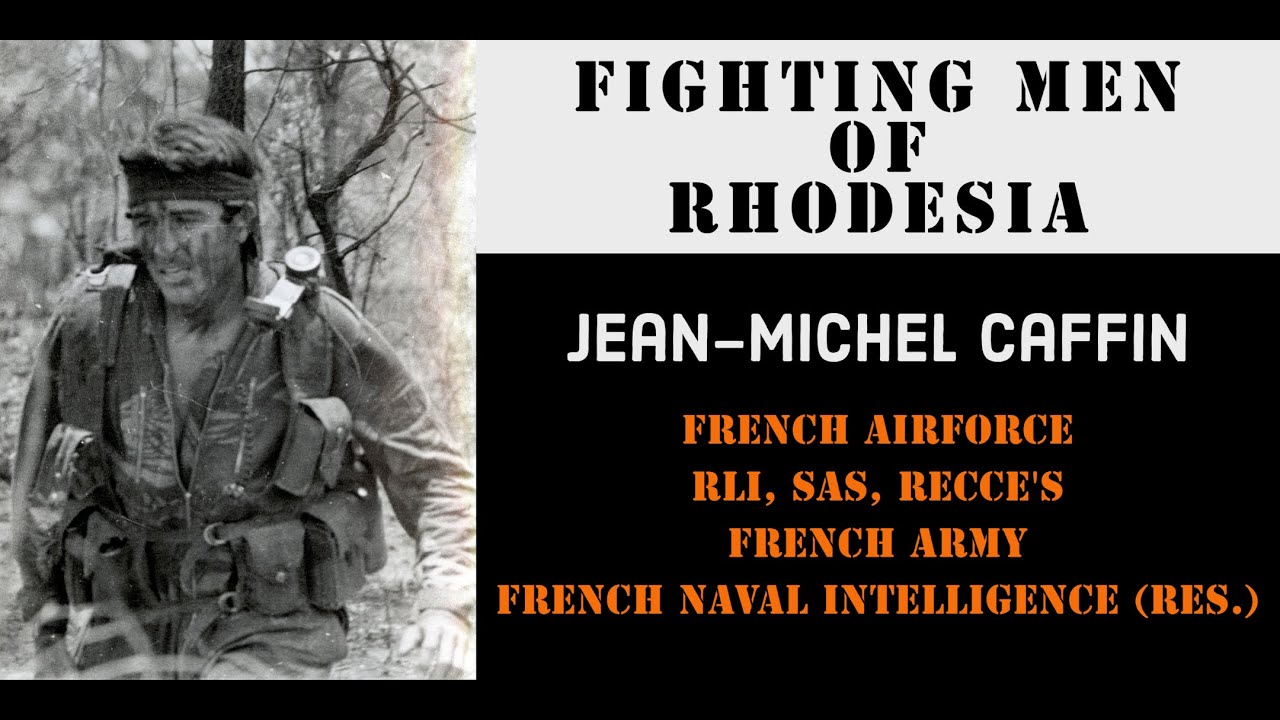


In this video, Jean-Michel Caffin, who served in the Rhodesian Light Infantry (RLI), SAS, and Recce’s, discusses his experiences and observations about the Rhodesian army.
Here are the key points from his discussion:
- Unique Qualities of the Rhodesian Army (1:53–7:00): Caffin highlights that Rhodesian troops were unique due to their excellent raw material - kids coming from good schools with traditional teaching, sports, ethos, and discipline. They were already self-reliant, accustomed to the bush, hunting, and shooting, making their transition into the military seamless.
- Fighting on Home Ground and Self-Reliance (6:00–8:30): He emphasizes that Rhodesian soldiers were fighting in their own country and understood the war’s context from a young age. This fostered a strong sense of self-reliance, with soldiers capable of fixing and maintaining equipment due to limited resources. He credits Rhodesians with innovations like the “fireforce jacket” (7:36) and camouflage weapons (7:49), and mine-proof vehicles (8:10), which were essentially “done in the back of the garage.”
- Sense of Humor and Mental Fortitude (8:48–11:40): Caffin notes the Rhodesian soldier’s great sense of humor and ability to remain unflappable even in stressful situations. He recalls an anecdote about a soldier worried about missing a radio program during intense combat (10:23), illustrating their unique spirit.
- Fear in Combat and Capture (15:05–29:52): He distinguishes between fear and extreme anxiety in combat, stating he was more anxious than scared, maintaining control of his senses. His biggest fear was being captured (16:30, 19:16, 23:44, 28:21), recalling two specific harrowing experiences during operations in Mozambique.
- Post-Traumatic Stress and Support (30:09–35:01): The discussion touches upon the lack of a “cushion” for soldiers suffering from post-traumatic issues after the war, leading to suicides and alcoholism. Caffin acknowledges that while many adjusted, some struggled, and he emphasizes that people react differently to trauma.
- Lessons for Modern Armies (35:16–41:17): Caffin states that modern armies still look to the Rhodesian counter-insurgency operations for information. He highlights the “fireforce concept” (35:58) and the effective combination of Selous Scouts and pseudo-gang tactics (36:34, 38:05) as significant innovations. He notes that the continuous deployment of Rhodesian soldiers meant no loss of experience, unlike modern armies with shorter deployment cycles.
- Technology vs. Human Element (40:14–41:17): Both Caffin and the interviewer agree that technology has limitations and that good, resourceful, and resilient men on the ground are still crucial for success in modern warfare.
- French Foreign Legion (43:12–47:07): Caffin explains the history and current state of the French Foreign Legion, emphasizing its continued role as a professional fighting force, largely composed of foreigners, and its deployment in various overseas operations.
- Homage to Mapai Operation Casualties (48:01–49:10): Caffin concludes by paying homage to the soldiers lost during the Mapai operation, specifically mentioning a flatmate, Stephen King, who died in a helicopter crash during the operation.