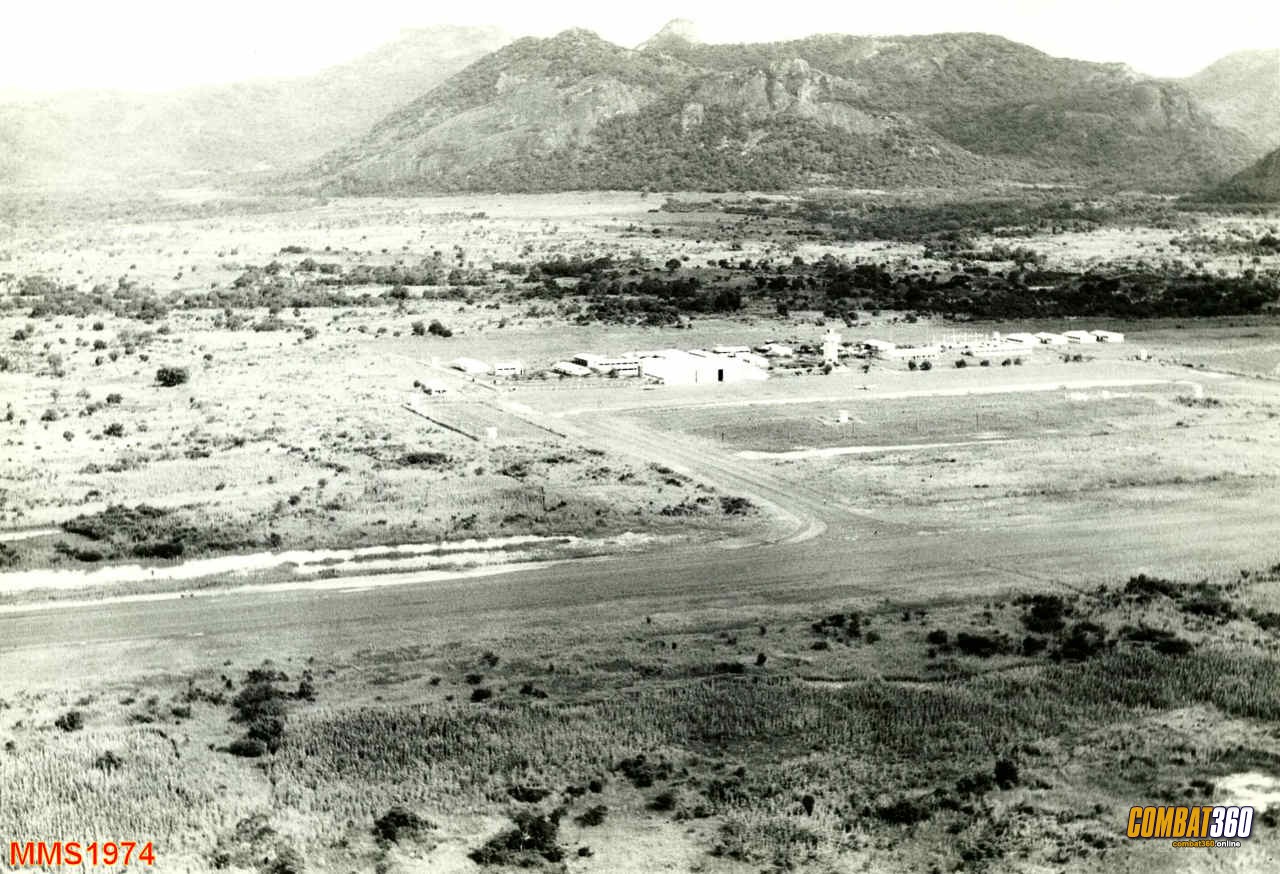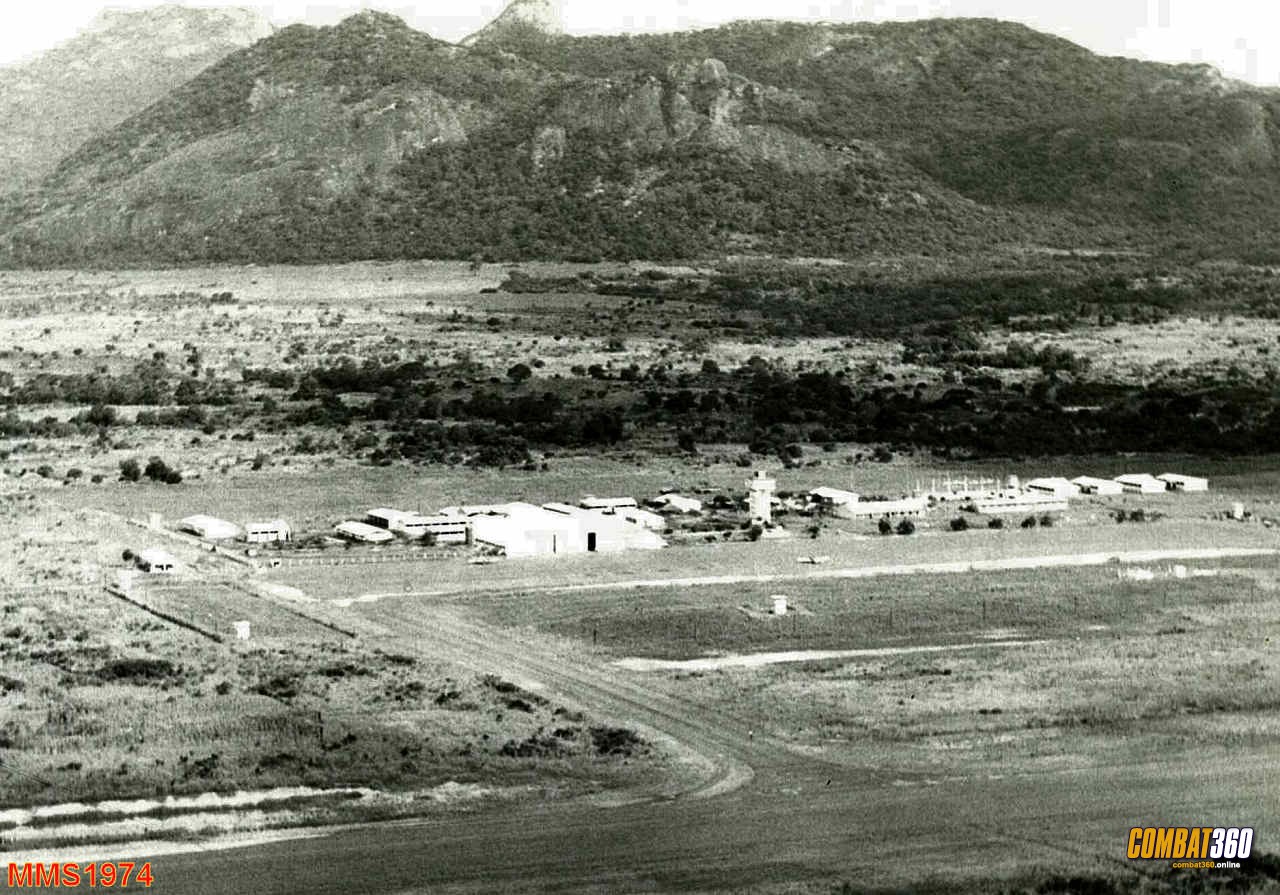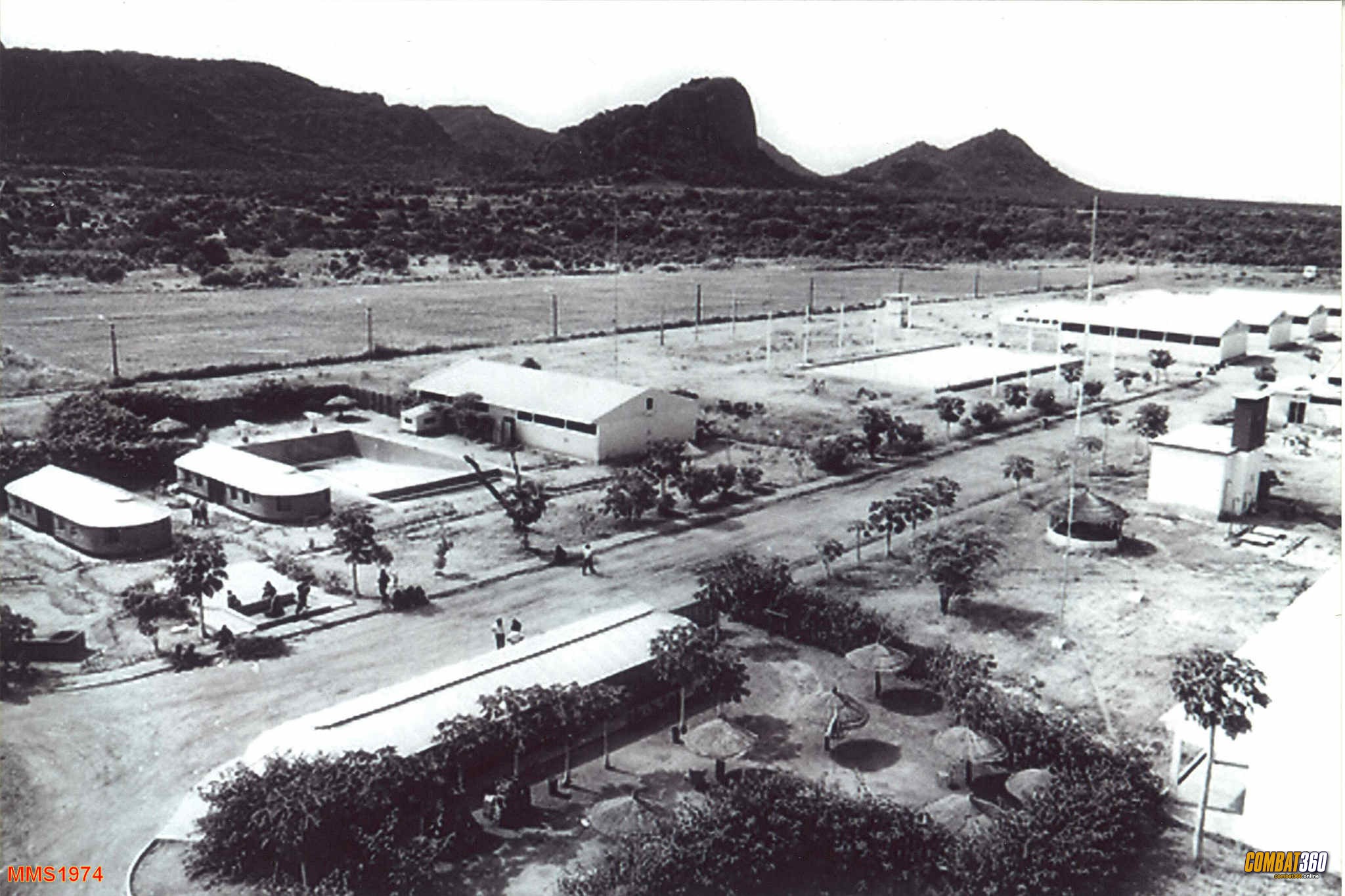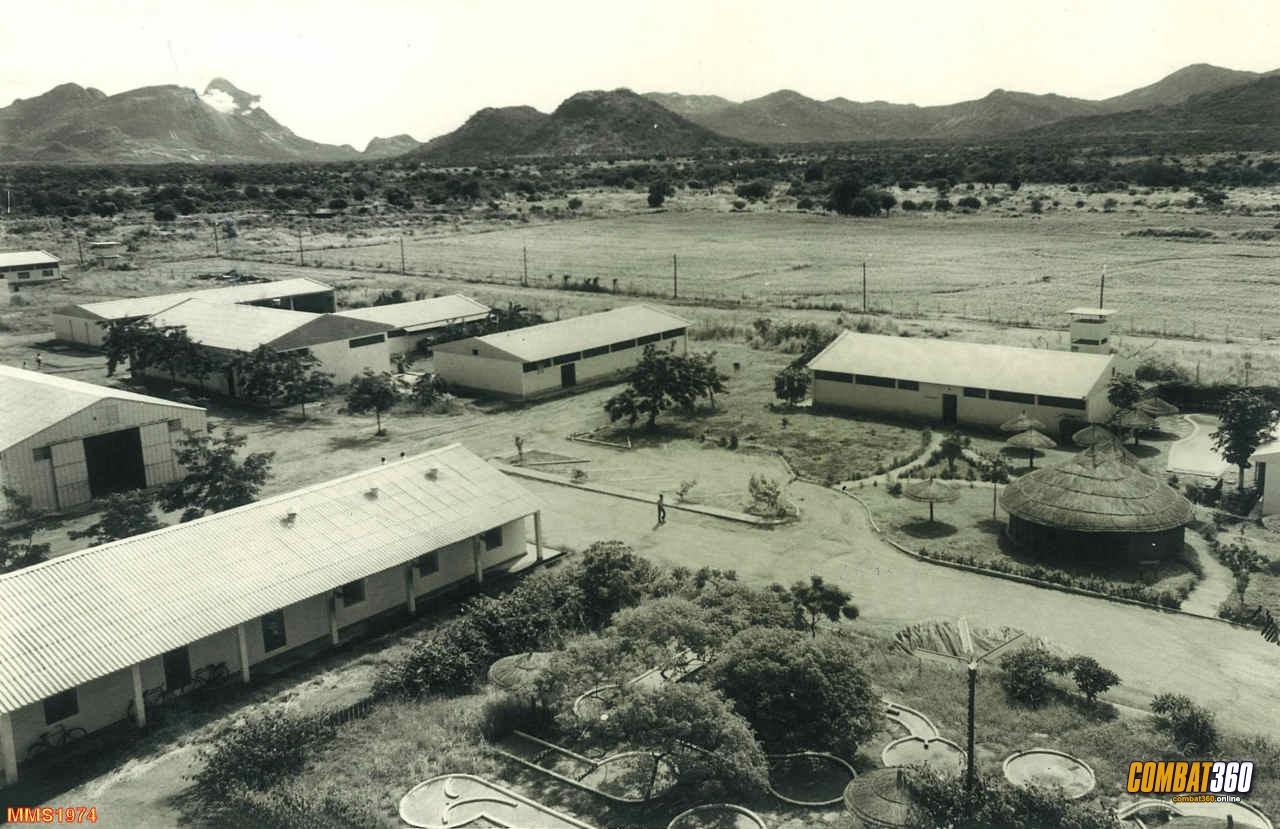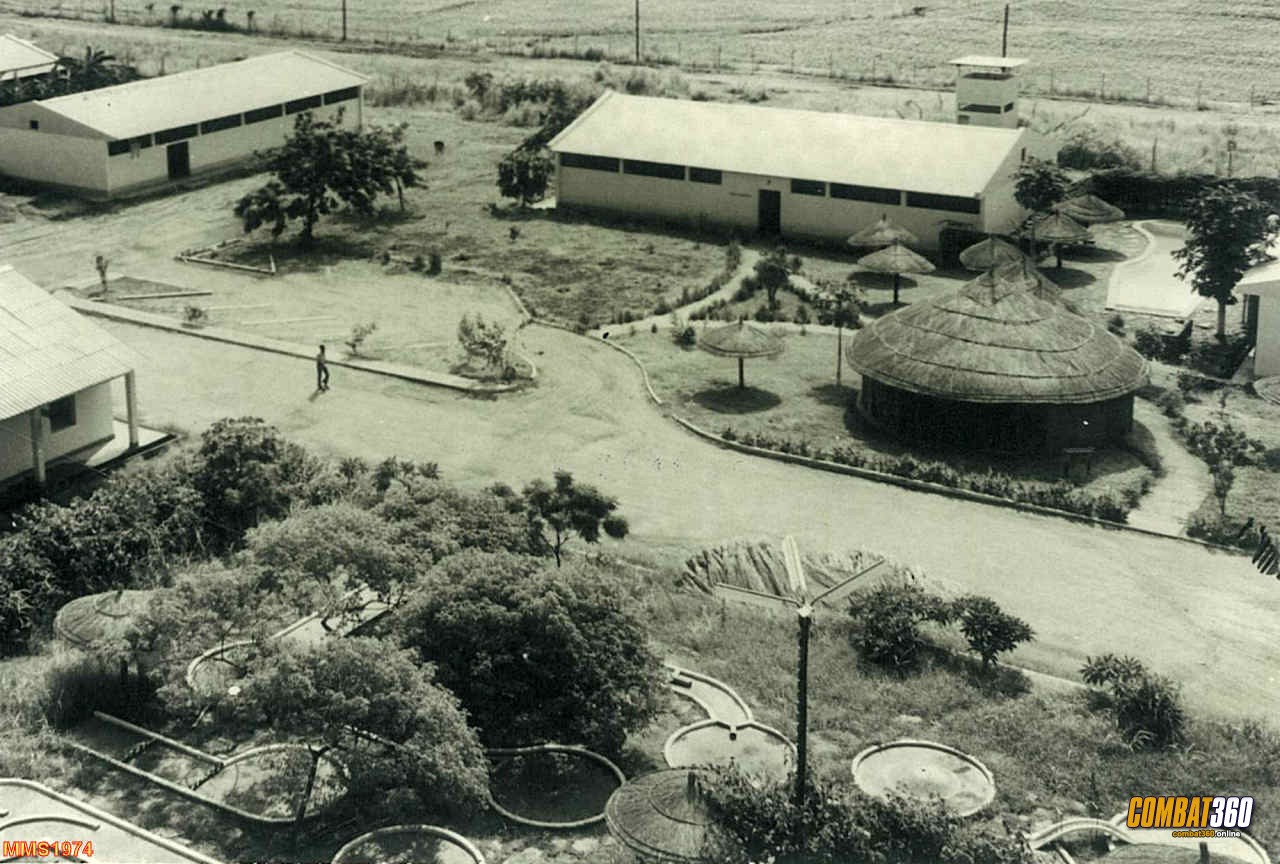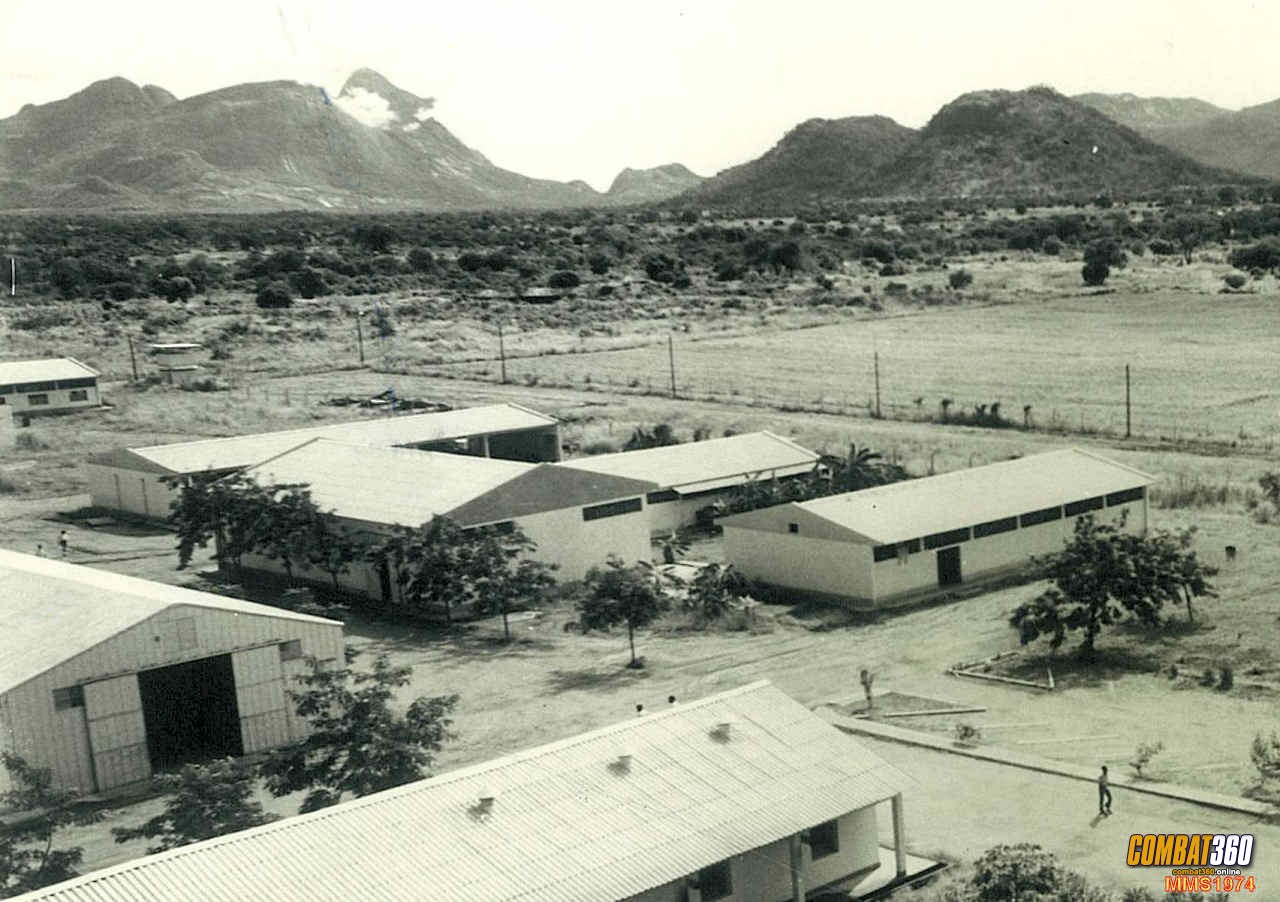
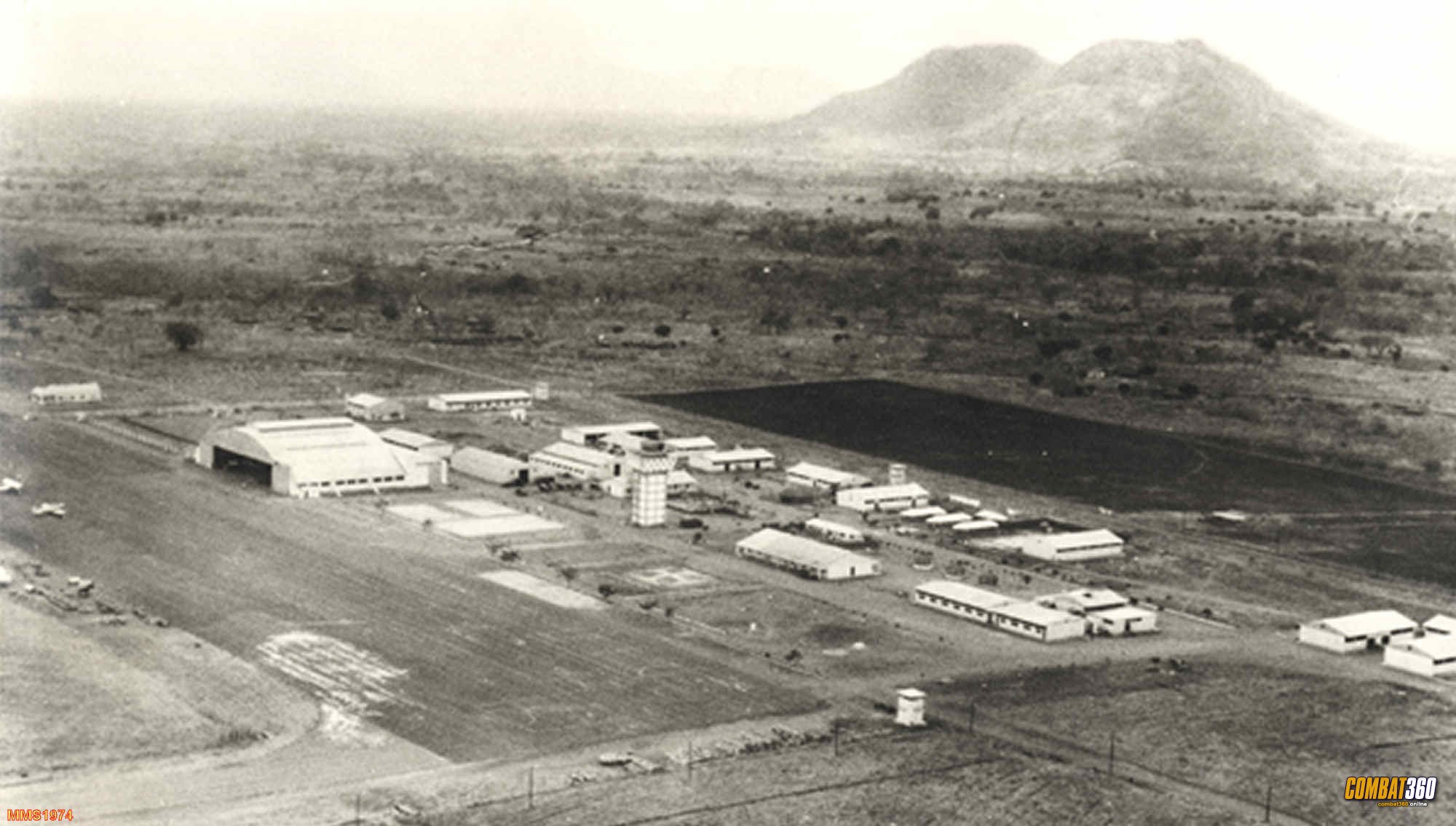
Aerodrome-Base No. 6 (AB6), historically known as Aeródromo-Base Nº 6, is a military airfield of the Portuguese Air Force. Located in Nova Freixo (now Cuamba), Mozambique, during its operational era as a overseas base. According to colonial air force doctrine, “Base Aerodromes” served as vital sector headquarters under the broader command of the Regional Air Force. AB6 specifically operated as the primary aviation anchor for the Niassa sector in northern Mozambique.
Detailed History
- Origin and Relocation: The base was initially conceived and organized in Vila Cabral (now Lichinga). However, to improve logistics and cover the vast operational distances in northern Mozambique, it was formally transferred and established at Nova Freixo (now Cuamba). The former runway at Vila Cabral was subsequently redesignated as Maneuver Aerodrome No. 61 (AM61).
- Strategic Purpose: Northern Mozambique-specifically the Niassa and Cabo Delgado districts-presented severe logistical challenges due to the immense distances from the primary central air base in Beira (BA10). AB6 filled this void by functioning as an operational and supply hub closer to the active fronts.
- Dissolution (1974-1975): Following the April 1974 Carnation Revolution in Portugal and subsequent Mozambican independence in 1975, Portuguese forces fully withdrew. The military base was deactivated, and its infrastructure transitioned into what is known today as Cuamba Airport (FQCB).
Permanent and Attached Units
The aircraft permanently assigned or detached to AB6 were specialized in close air support (CAS), tactical transport, armed reconnaissance, and casualty evacuation:
1. Permanent Squadrons
Esquadra 601 (“Os Venenosos” / The Poisonous): This was the resident, organic squadron permanently based at AB6. They operated:
-
- Dornier Do 27: Utilized primarily for visual reconnaissance, command-and-control liaison, and light logistical transit.
- North American T-6 Texan (Harvard): Configured as light attack warhorses, modified to carry machine guns and rockets for anti-guerrilla operations and fire support.
2. Regular Air Detachments
Because AB6 served as a localized hub, it regularly hosted rotational elements and detachments from central units:
-
- Helicopter Detachments: Rotational deployments of Aérospatiale Alouette III and heavier SA330 Puma helicopters. These were critical for heliborne assault deployments and immediate medical evacuations (Evam).
- Jet Fighter Detachments: Temporary combat deployments of the Fiat G.91R/4 ground-attack fighter jets (nicknamed “Os Jaguares” / Esquadra 62 / later Esquadra 301) to carry out heavier interdiction strikes.
3. Support & Ground Troops
- “Caçadores-Paraquedistas” (Paratrooper Hunters): Elite Portuguese Air Force paratroopers maintained rapid-reaction detachments directly at the base. They worked in tight cohesion with the Alouette III crews for immediate counter-insurgency deployment.
- Para-Nurses (Enfermeiras Pára-quedistas): Elite women military nurses trained to parachute into active combat zones or fly via light aircraft straight out of AB6 to care for and retrieve heavily wounded personnel.