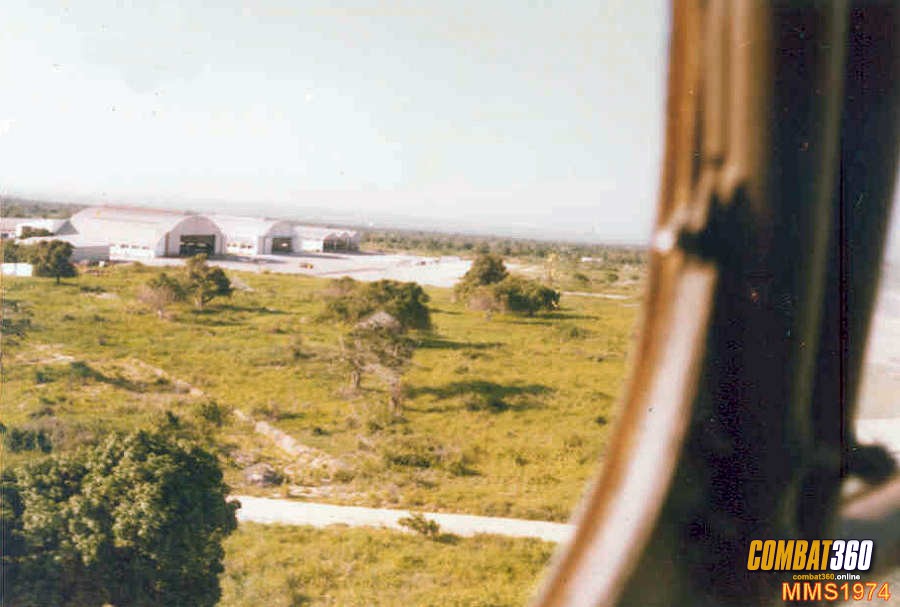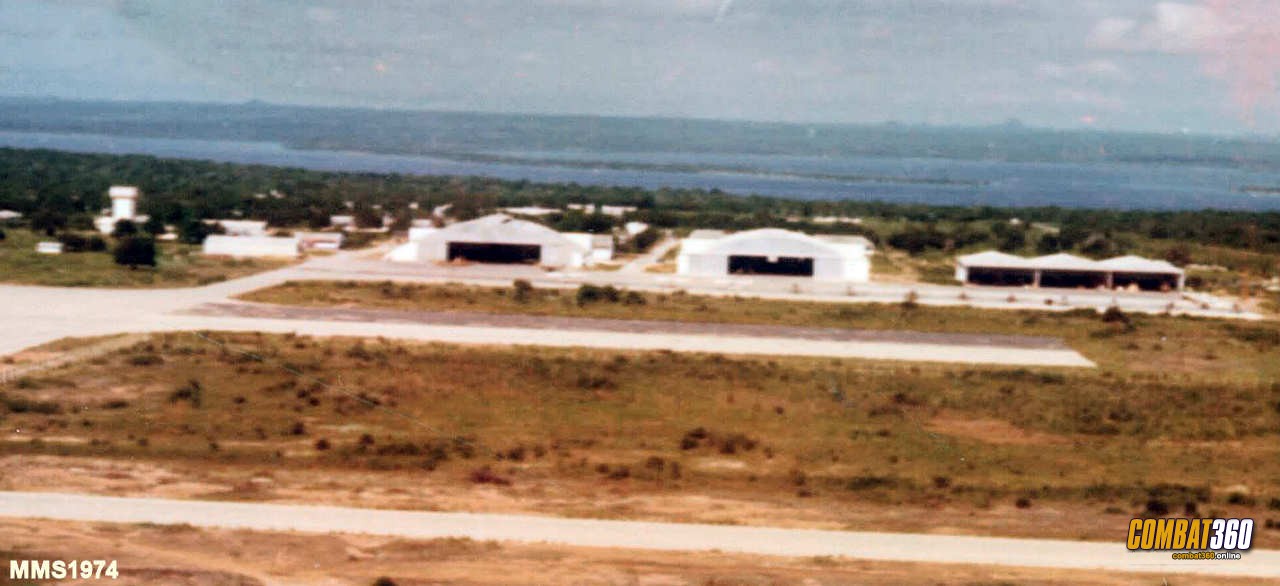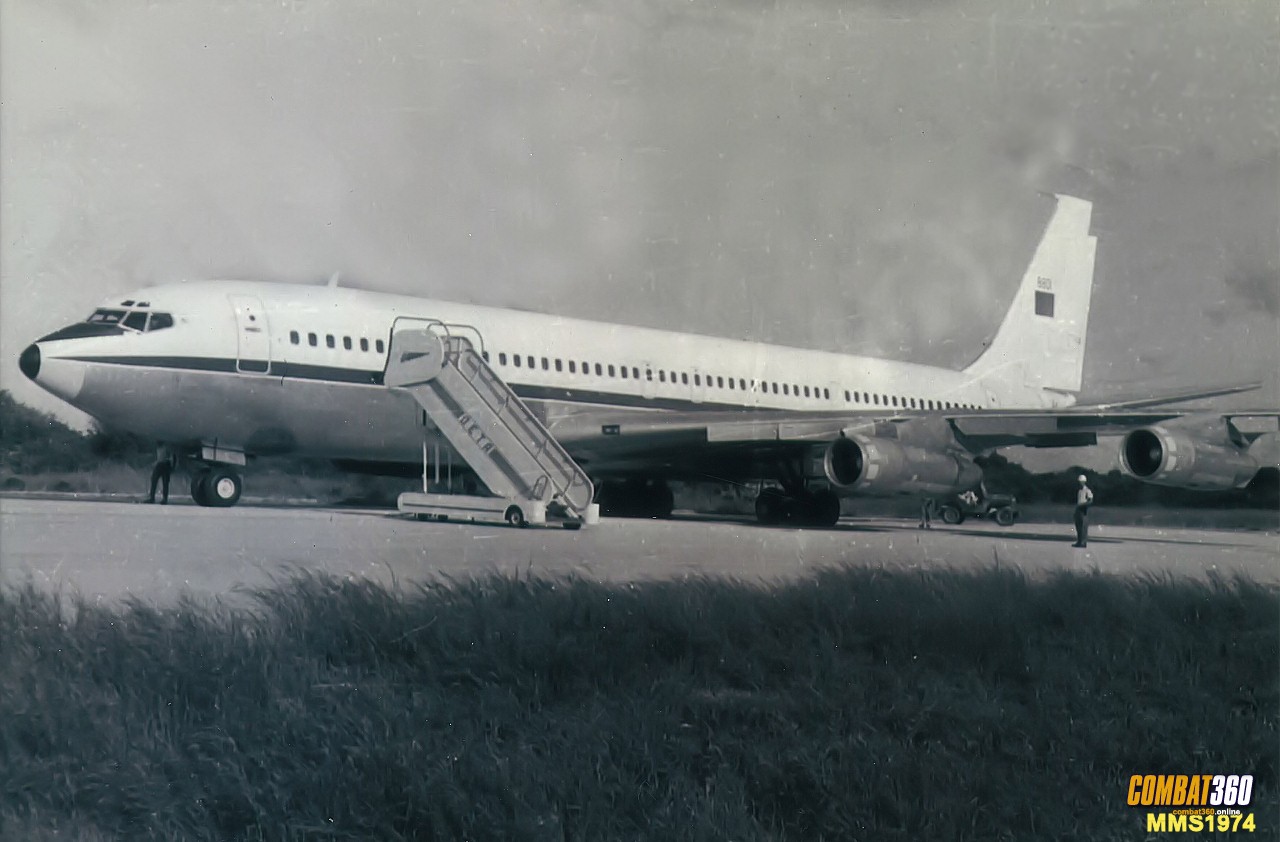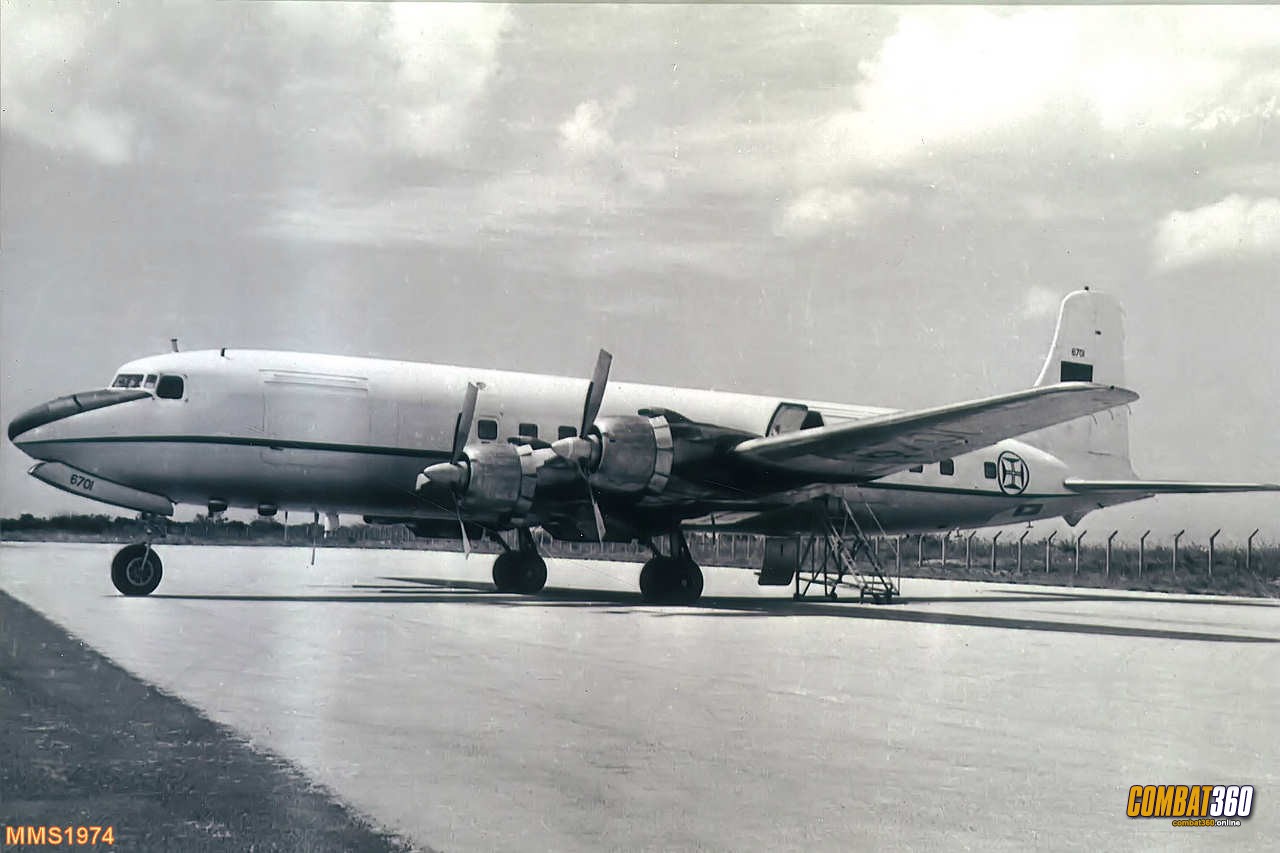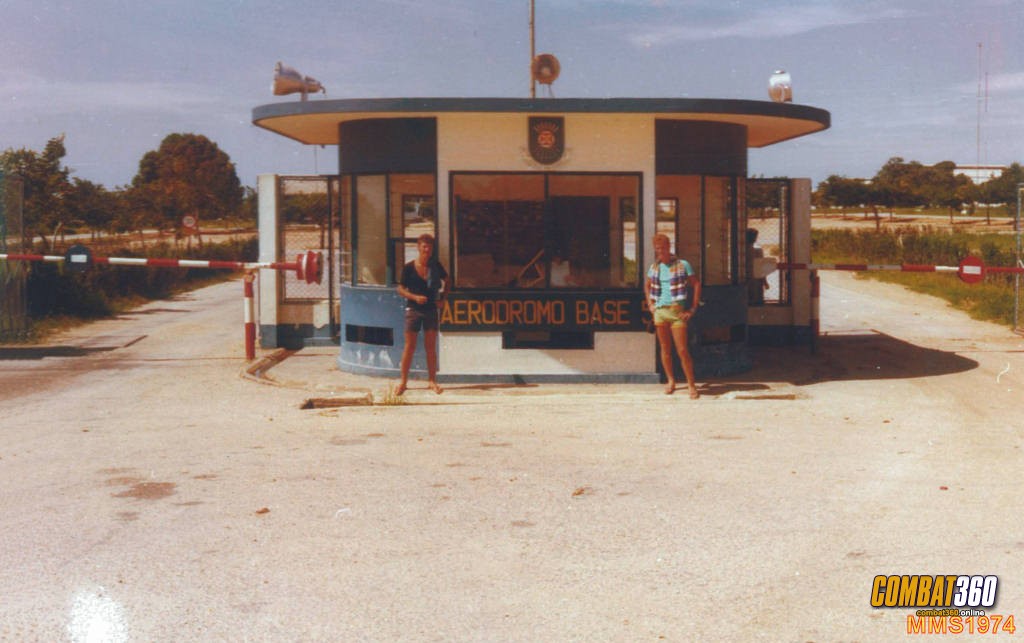
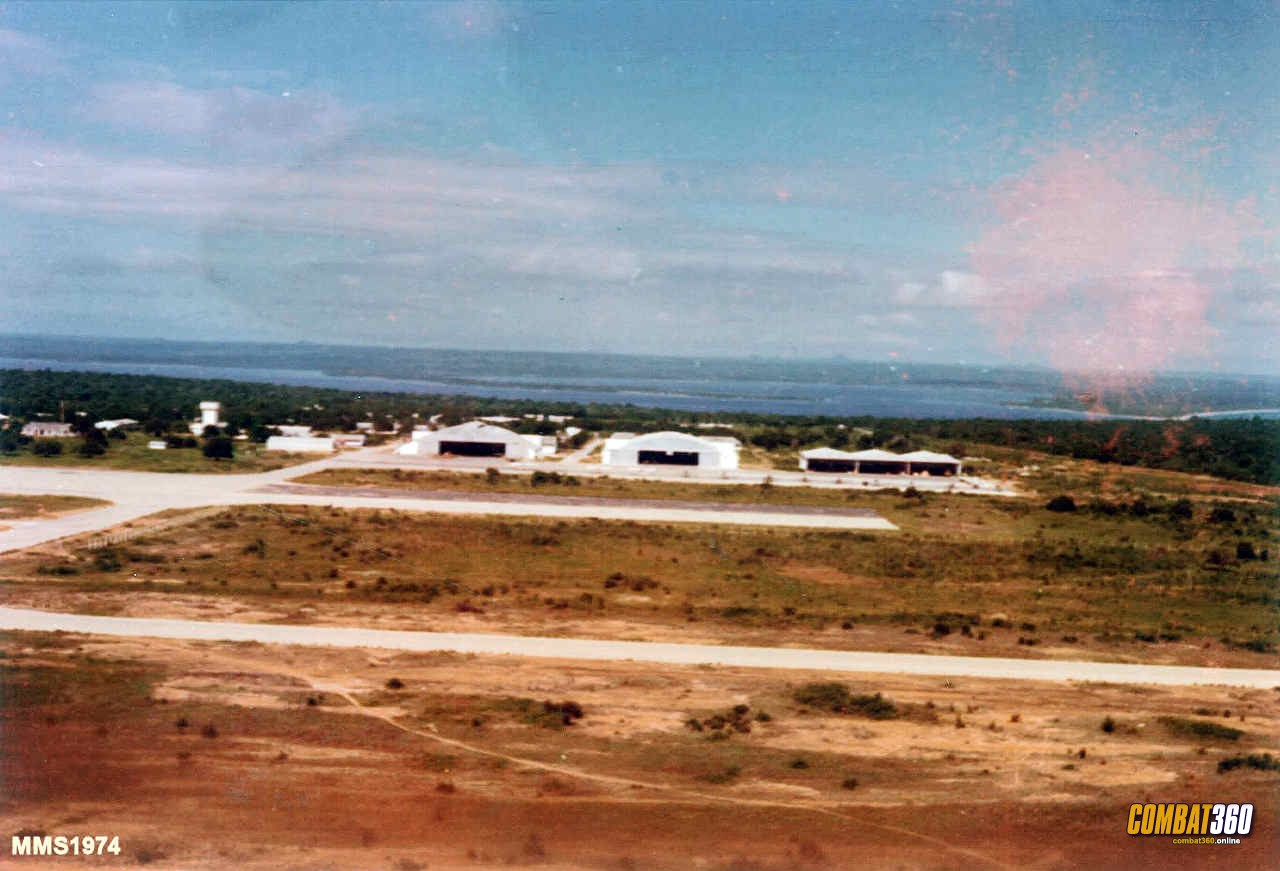
The military facility historically known as Aeródromo-Base Nº 5 (AB5) in Nacala, Mozambique, played a vital role for the Portuguese Air Force during the Portuguese Colonial War (Guerra do Ultramar). During its peak military deployment as Aeródromo-Base Nº 5 (AB5) in Nacala during the Portuguese Colonial War (1961-1975), the Portuguese Air Force permanently stationed three main frontline squadrons at the base.
These squadrons provided a combination of ground attack capability, light reconnaissance, and troop transportation
1. Esquadra 502 “Jaguares” (Jaguars)
-
- Active Window: Established in January 1969.
- Aircraft Model: Fiat G.91R/4 jet fighters.
- Primary Role: Jet-powered close air support (CAS), tactical reconnaissance, and localized air defense. The G.91 units were particularly vital for rapid-response strike missions against entrenched insurgent targets in northern Mozambique.
2. Esquadra 503 “Índios” (Indians)
-
- Active Window: Stationed at Nacala from 1967 to 1975.
- Aircraft Model: Sud Aviation Alouette III light utility helicopters.
- Primary Role: Combat air support, tactical troop transport (heliborne assaults), and critical medical evacuations (MedEvac). They frequently operated forward deployments directly out of Nacala’s primary satellite field, Aeródromo de Manobra 51 in Mueda.
3. Esquadra 501 “Tigres” (Tigers)
- Active Window: Established in 1969.
- Aircraft Models: North American T-6 Texan and Dornier Do 27.
- Primary Role: Liaison, visual reconnaissance, and light close air support. The agile, piston-engined T-6 Texans were heavily relied on for visual patrolling over dense forest cover and acting as forward air controllers for the faster Fiat G.91 jets.
History
- 1961 - Foundation: The Portuguese Air Force established the airfield near the deep-water port town of Nacala. It was designated as Aeródromo-Base Nº 5 (AB5), serving as a prominent sector airbase in northern Mozambique.
- 1962 to 1975 - Operational Peak: AB5 functioned as a command and logistics hub for tactical air operations against independence guerrillas. It managed satellite maneuver fields, including Aeródromo-Base Nº 5 (AB5) – Nacala and Aeródromo de Manobra Nº 52 in Nampula.
- 1967 - Helicopter Deployment: The Sud Aviation Alouette III helicopters arrived under Esquadra 503 “Índios” (503 Squadron). They flew reconnaissance, medical evacuation, and troop transport missions alongside North American T-6 Texan and Max Holste Broussard aircraft.
- 1975 - Independence Abandonment: Following Mozambique's independence, Portuguese forces withdrew. The facilities, including two hangars, a control tower, and a small barracks, fell into disuse or minimal domestic military deployment for decades