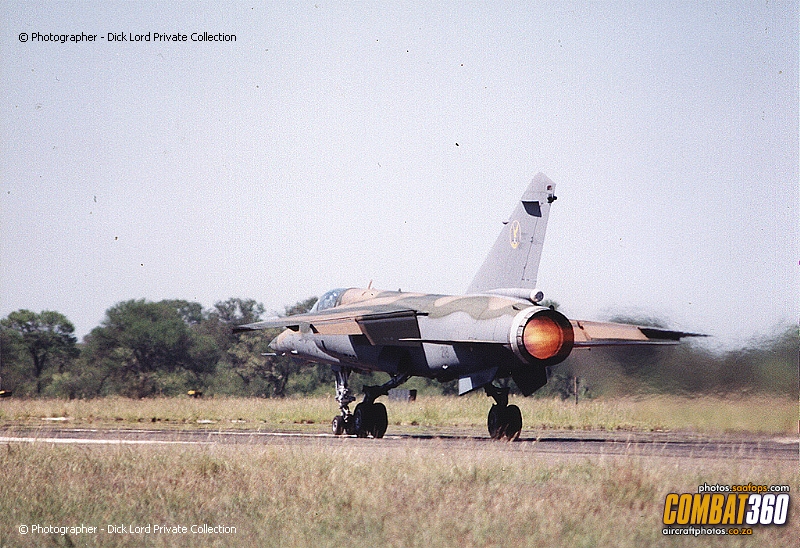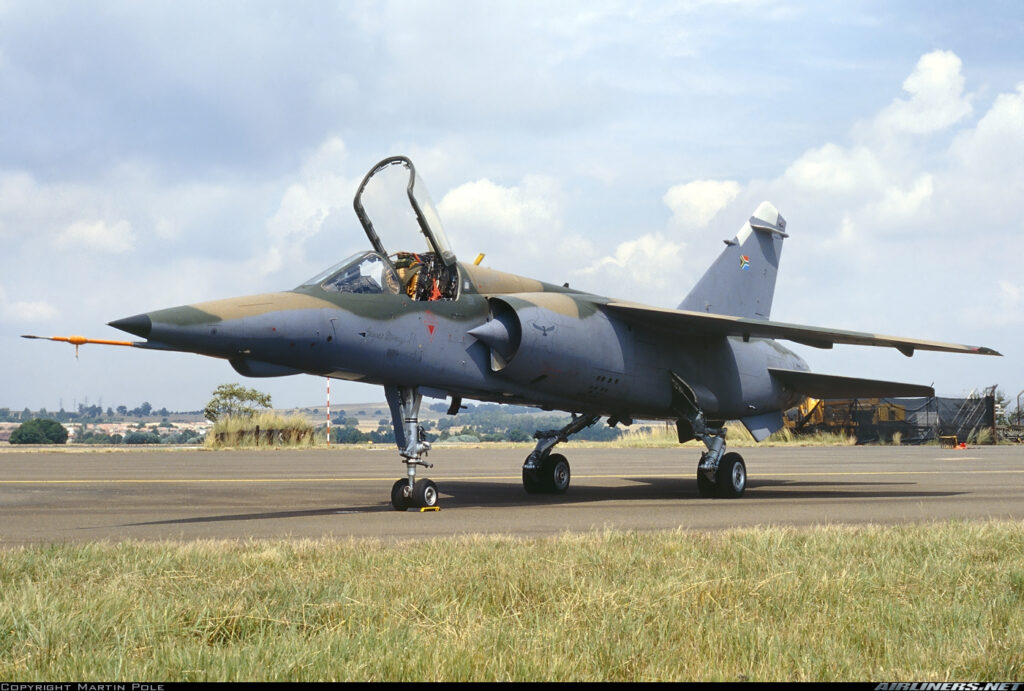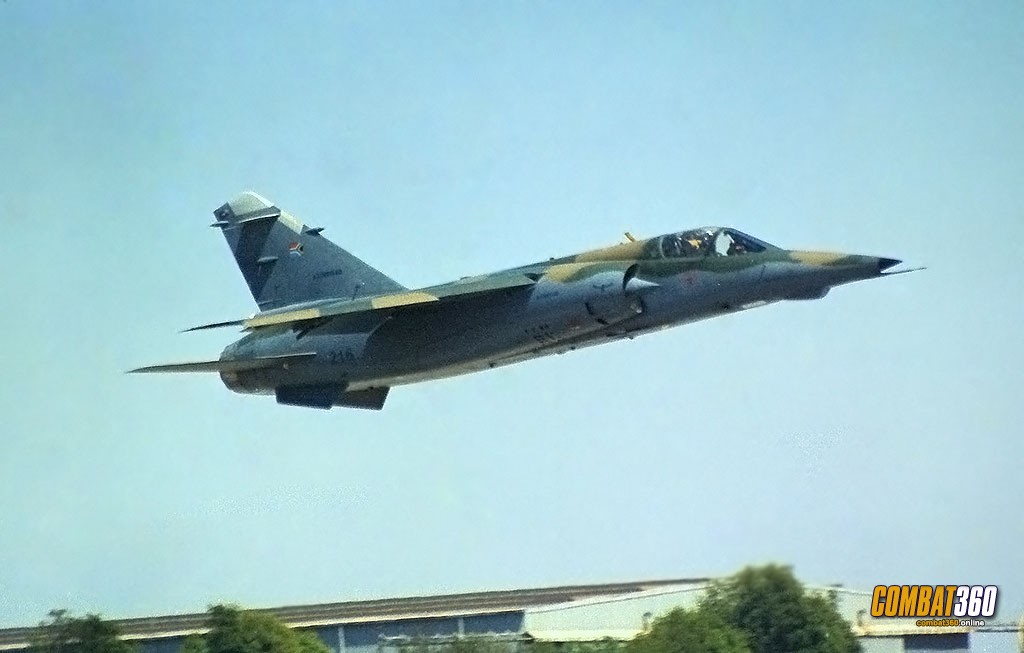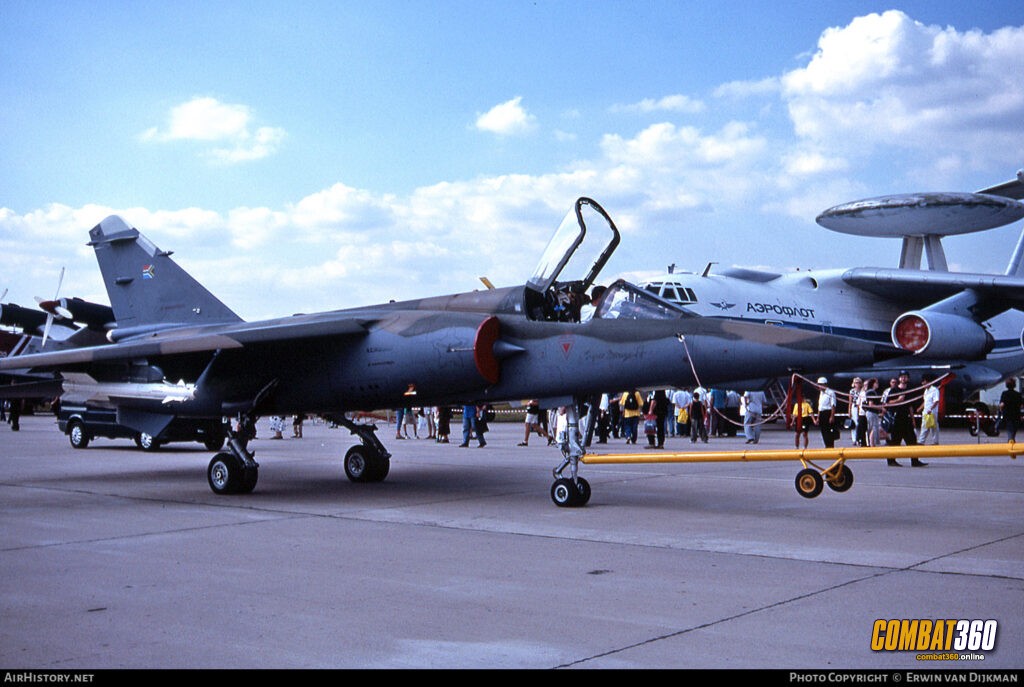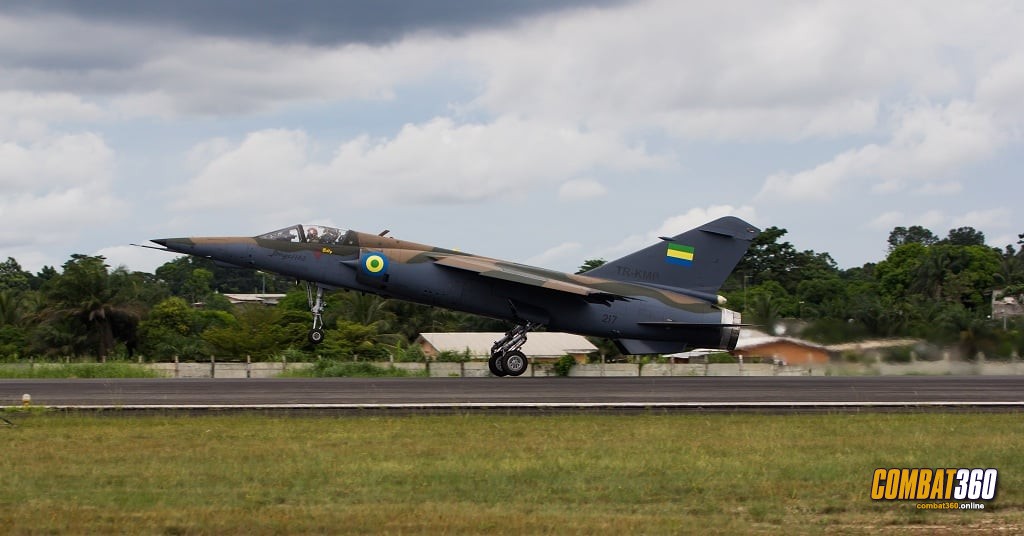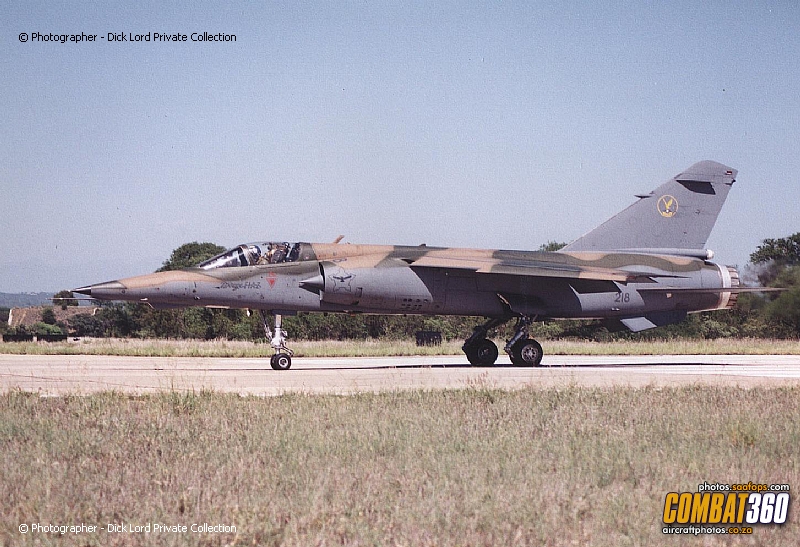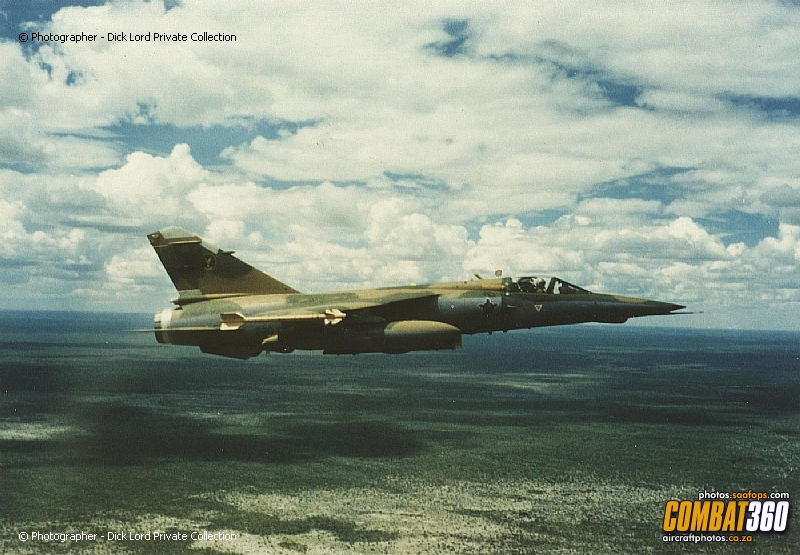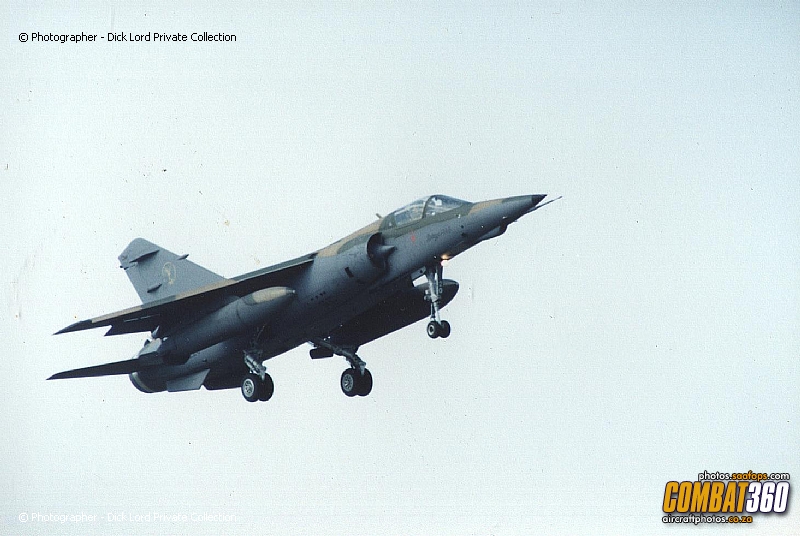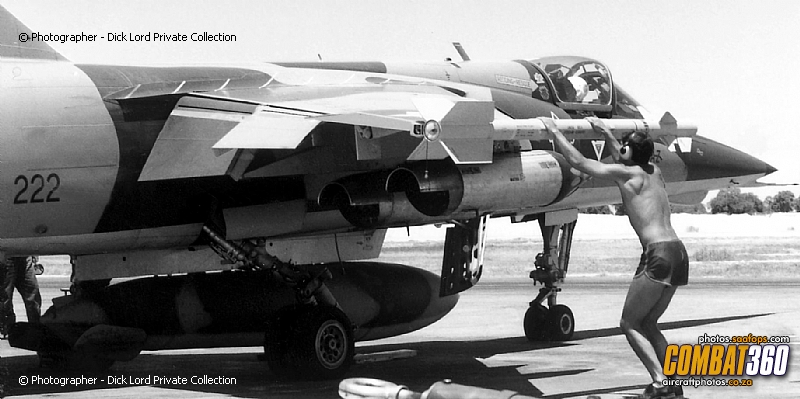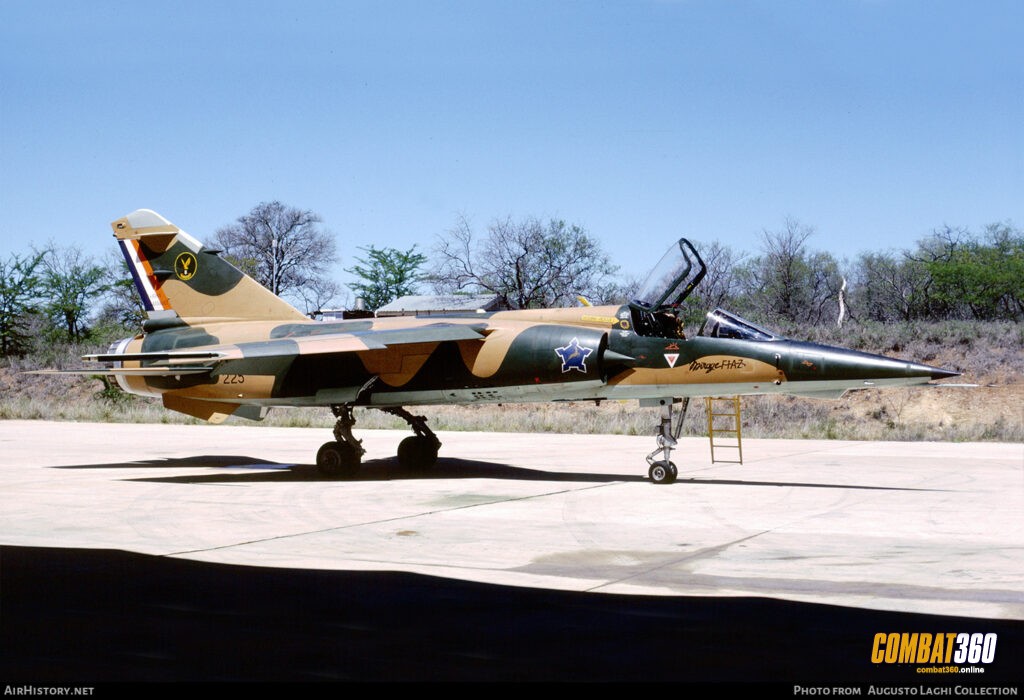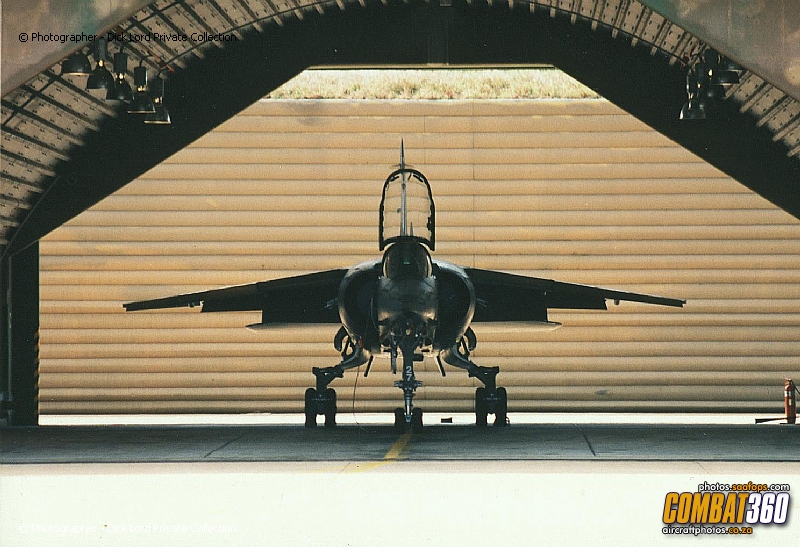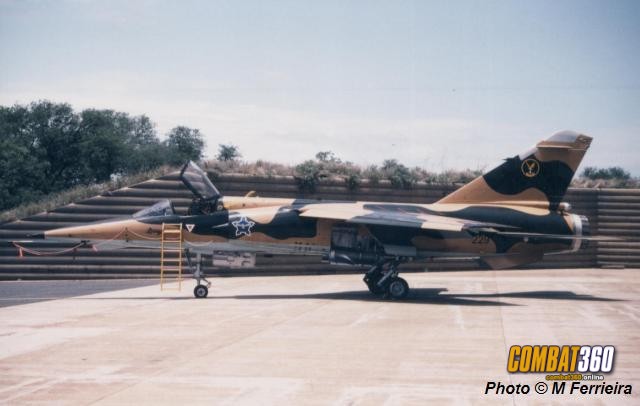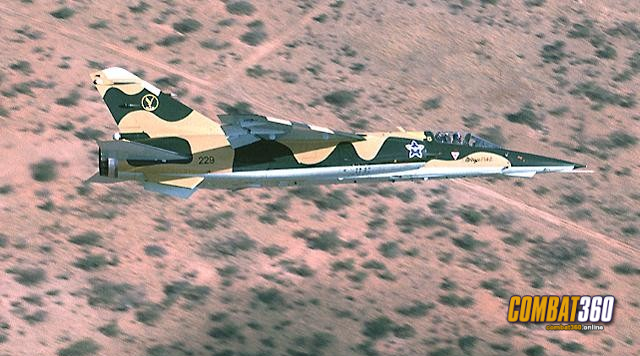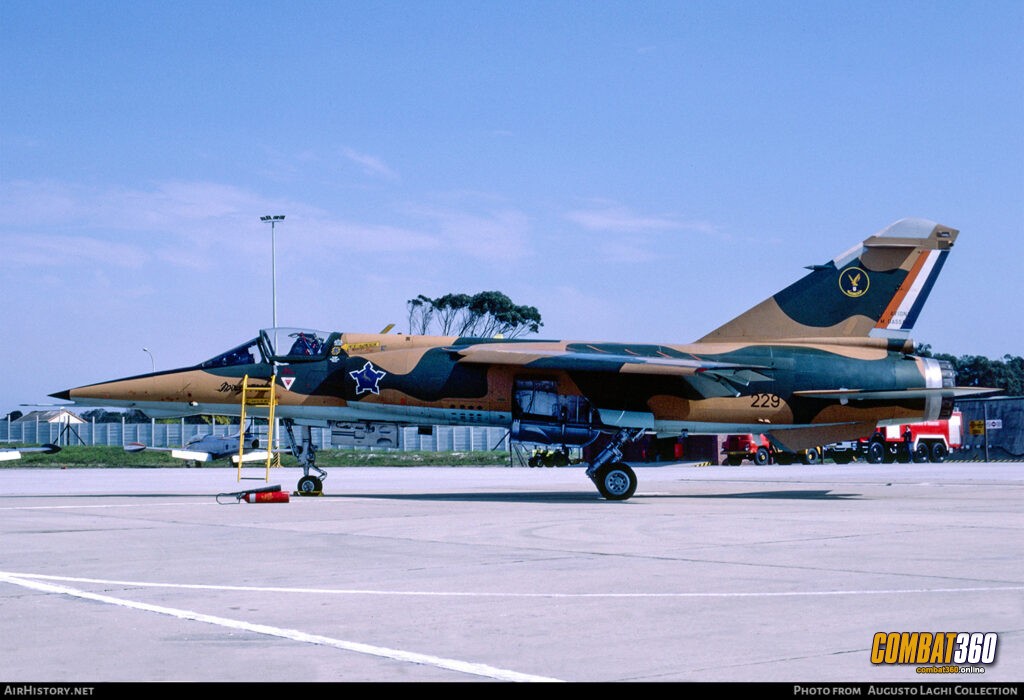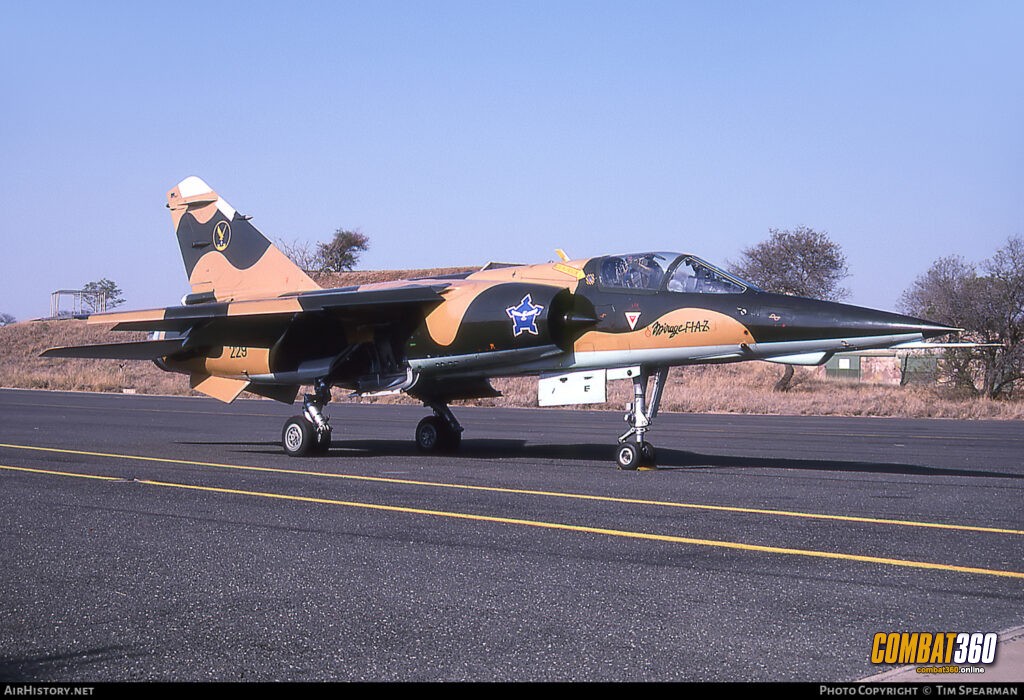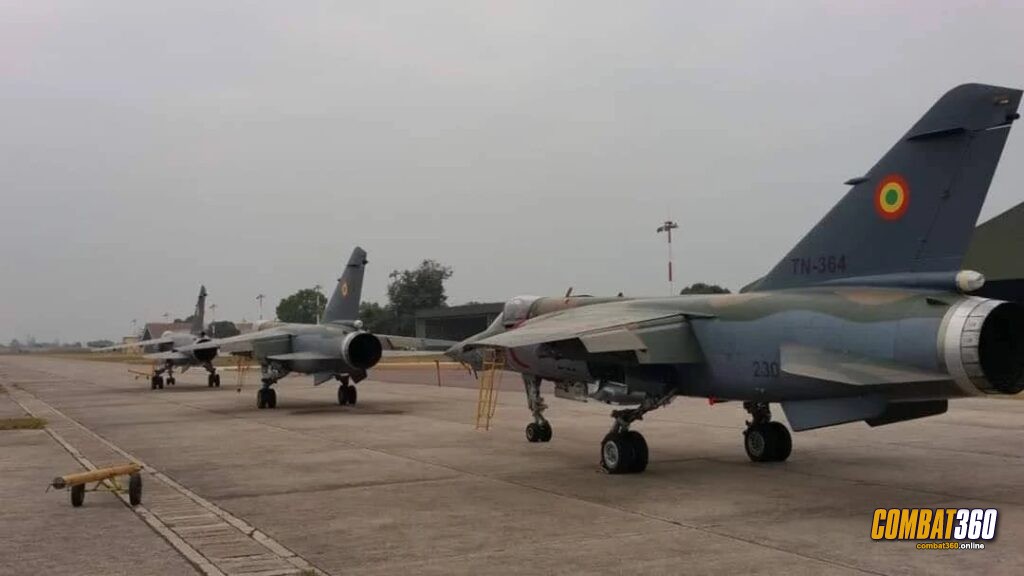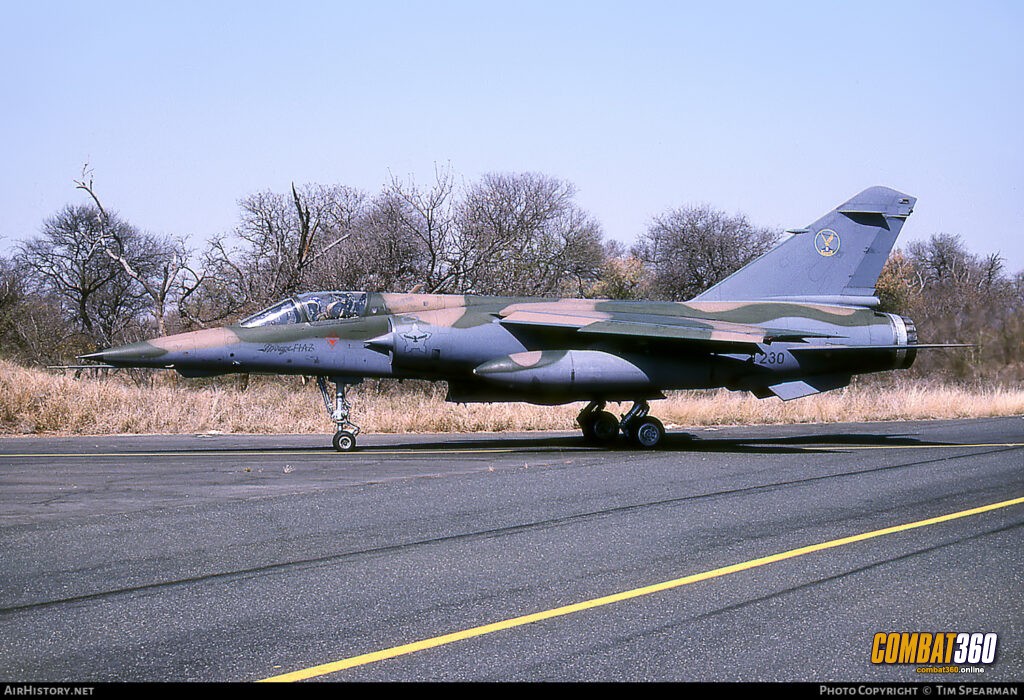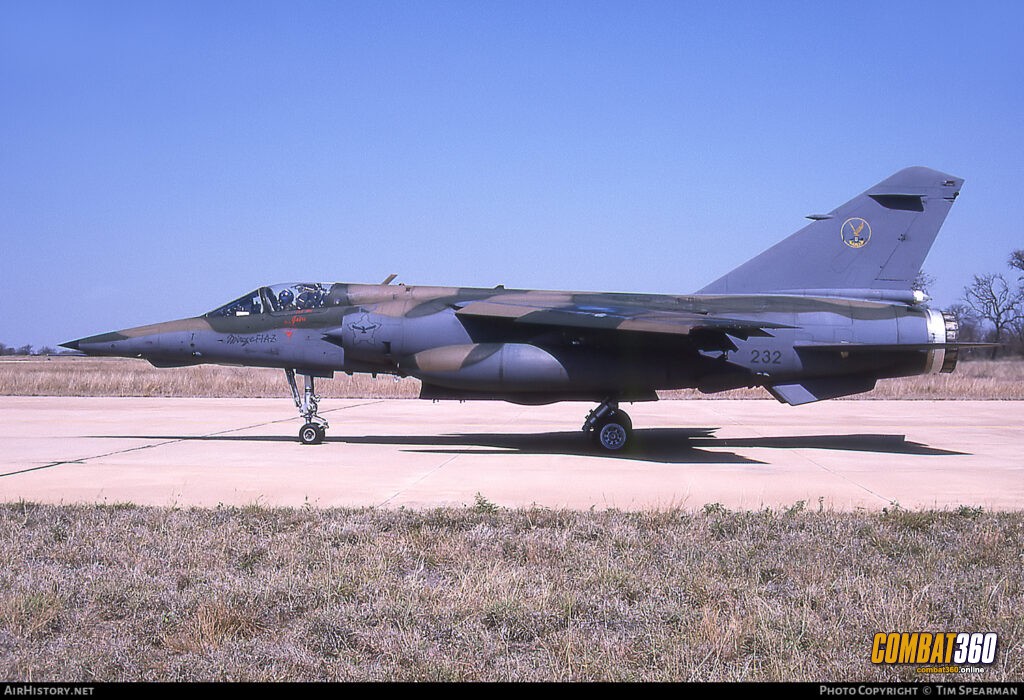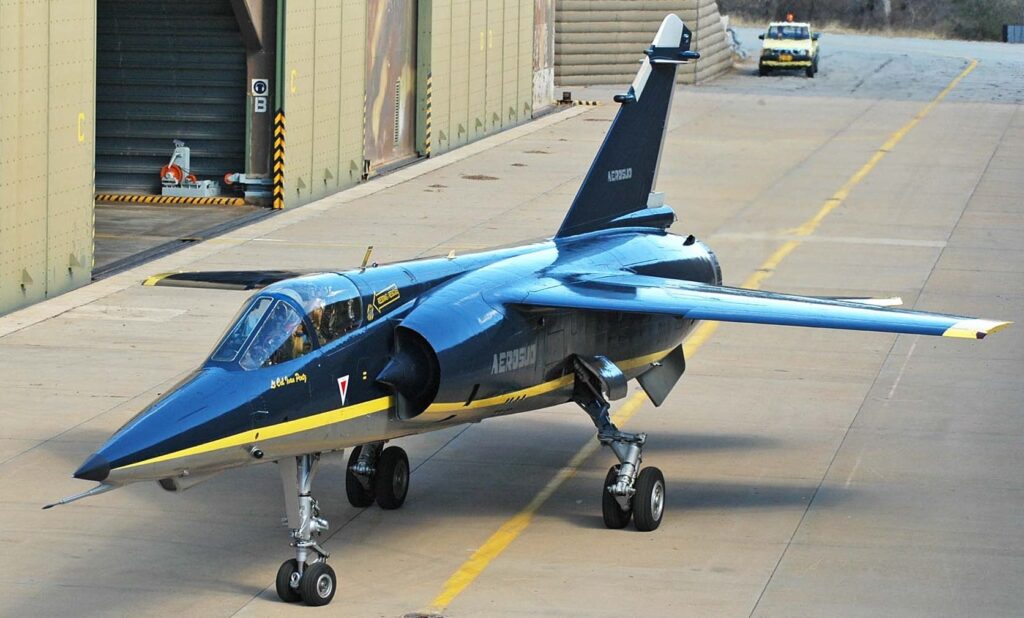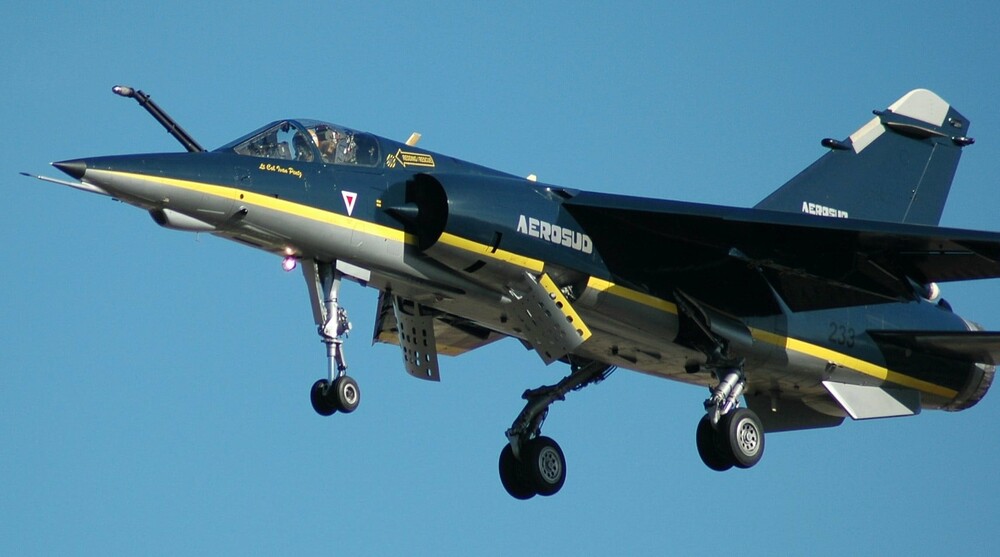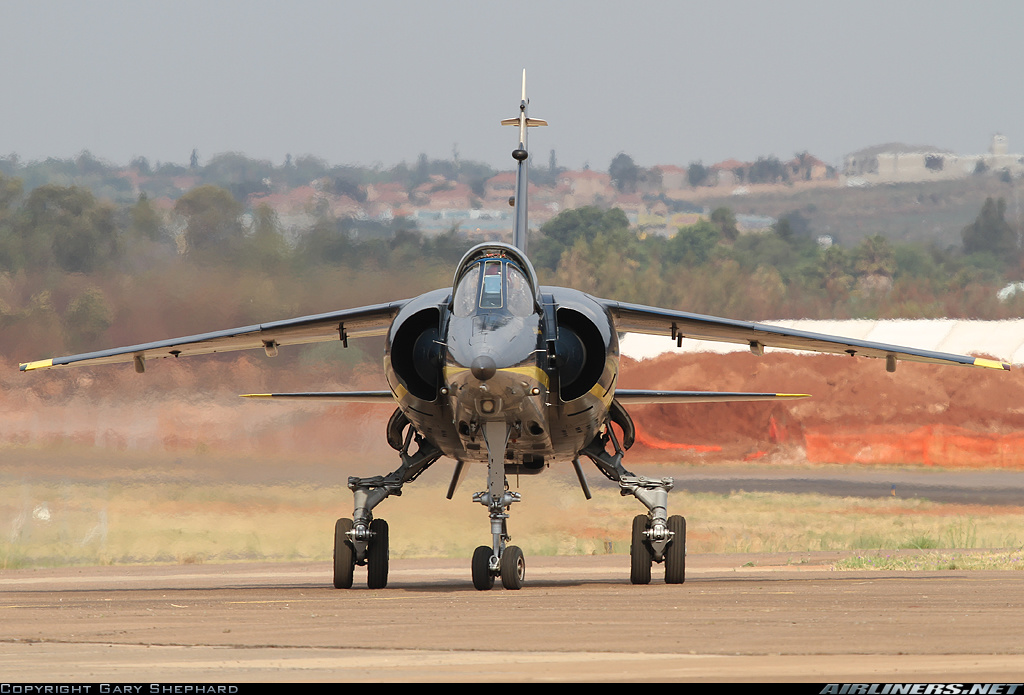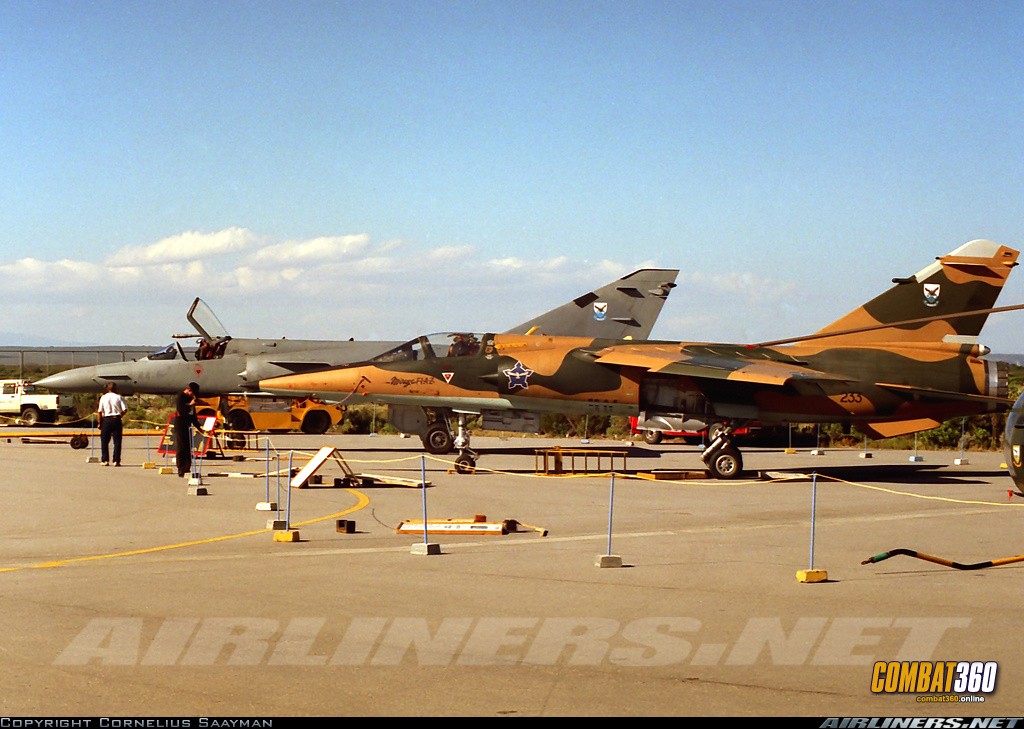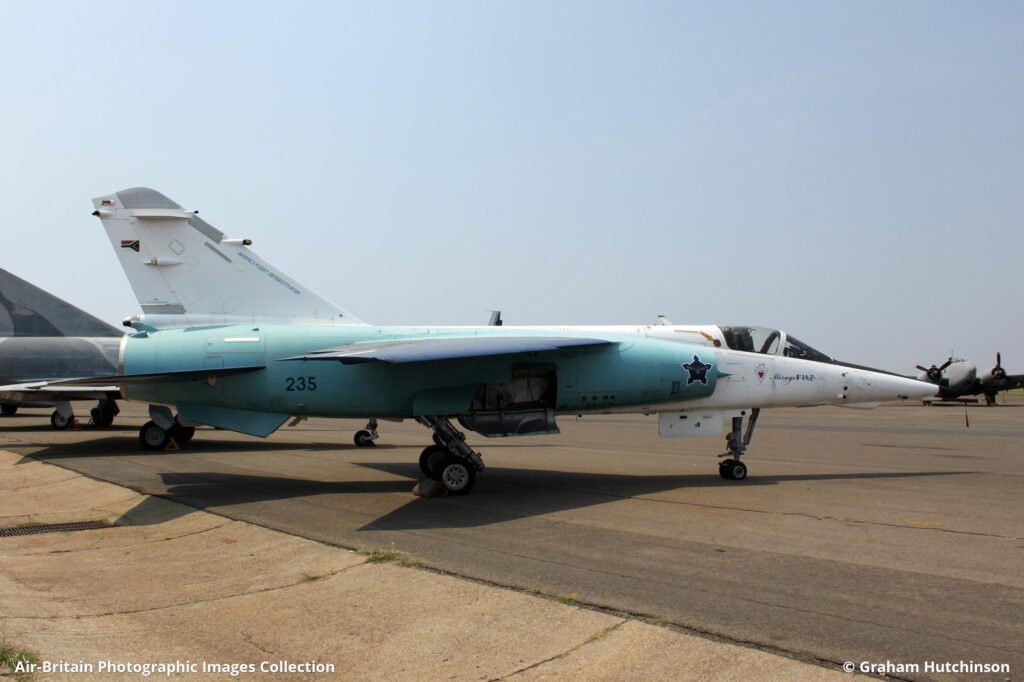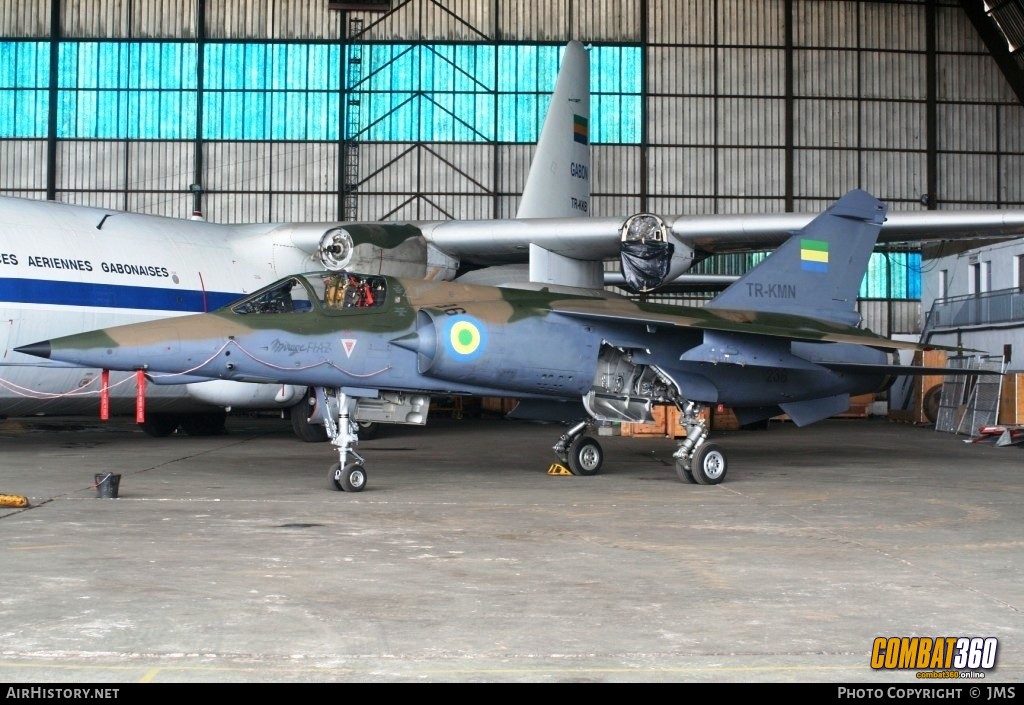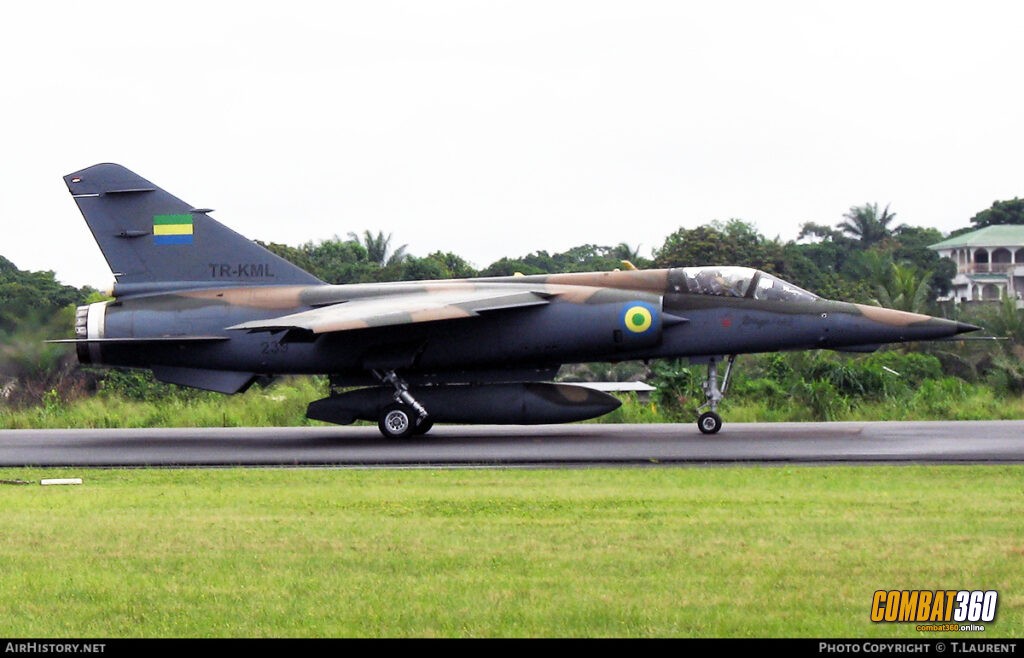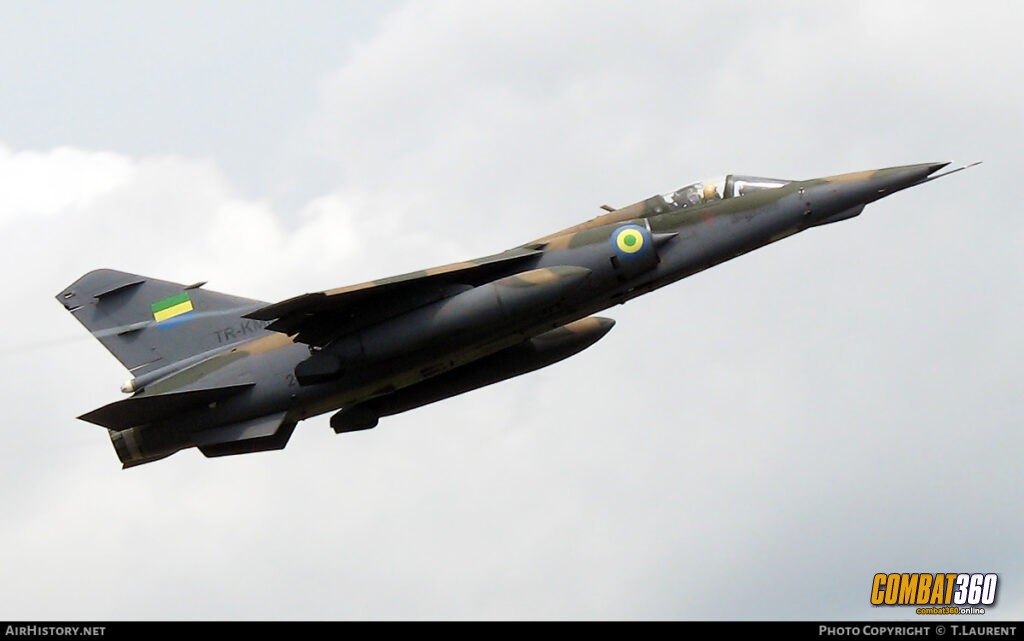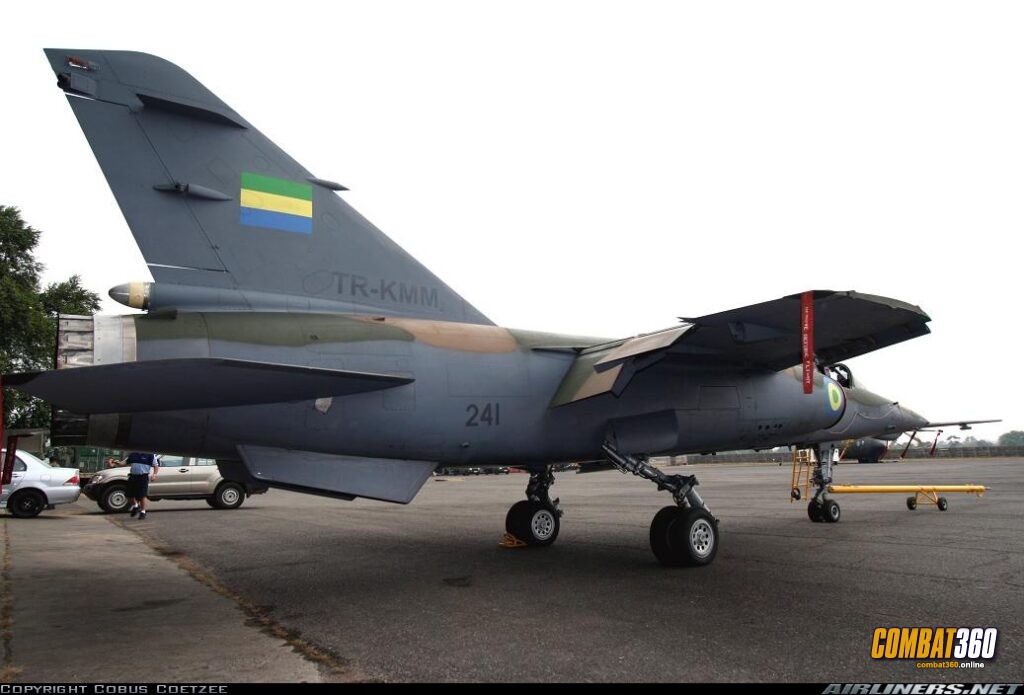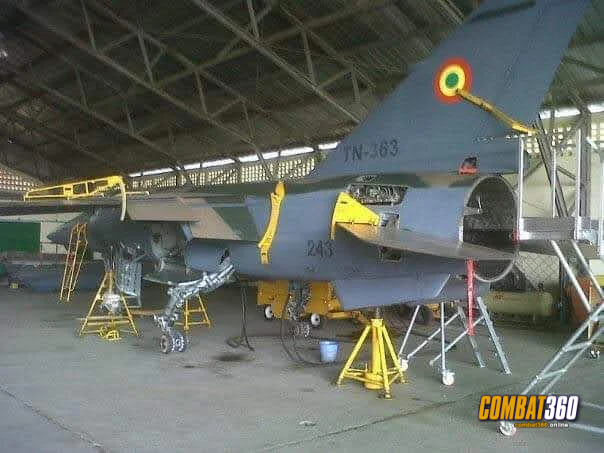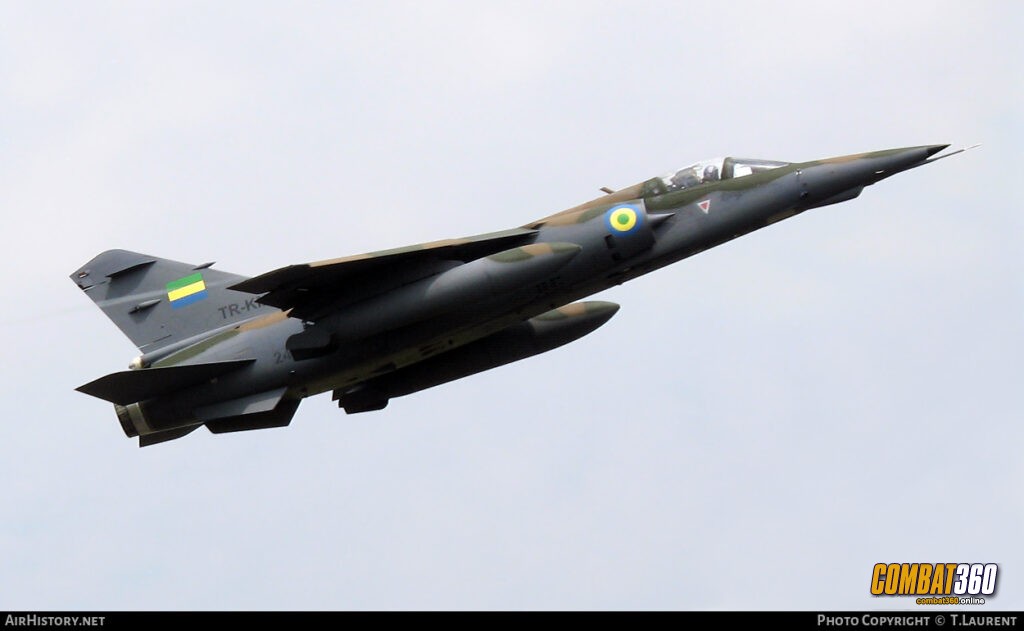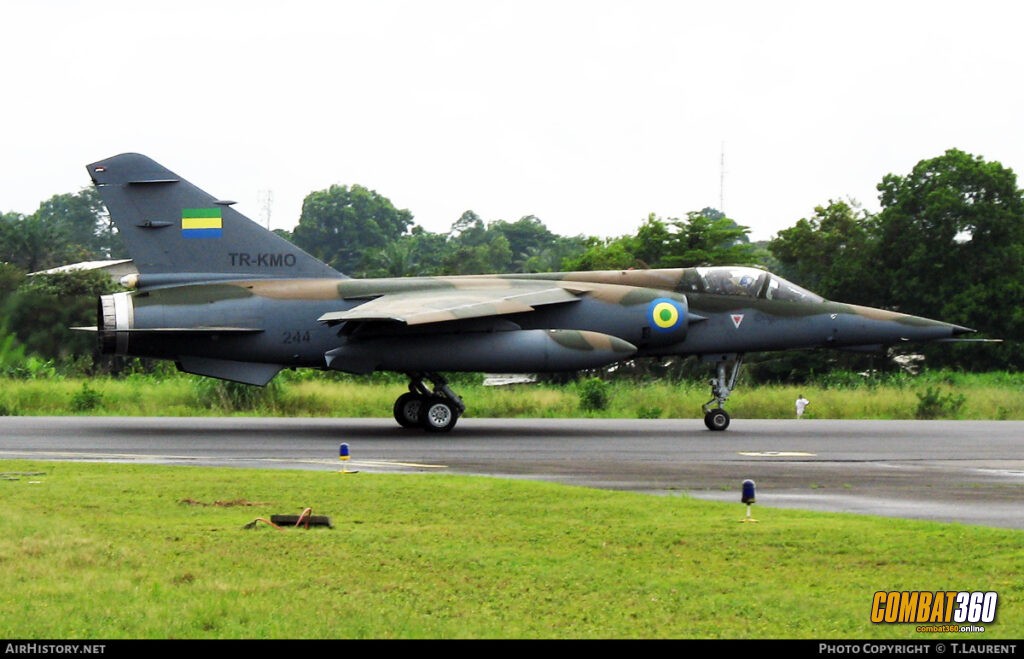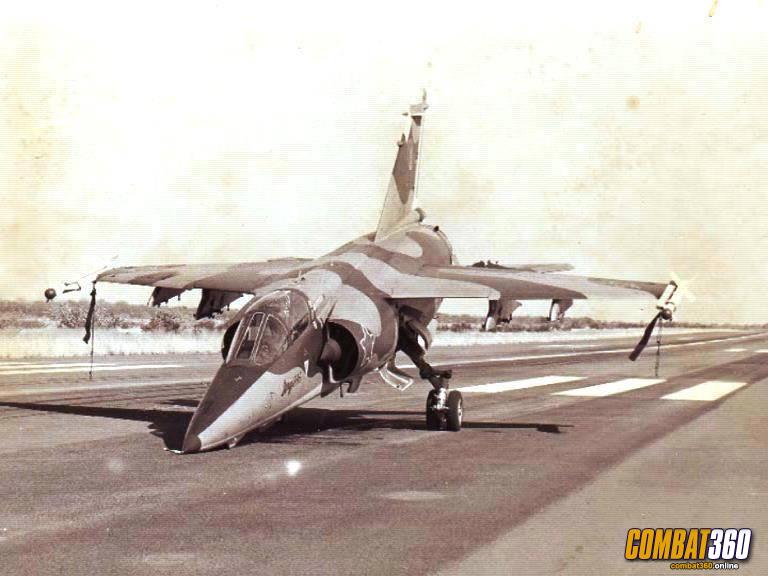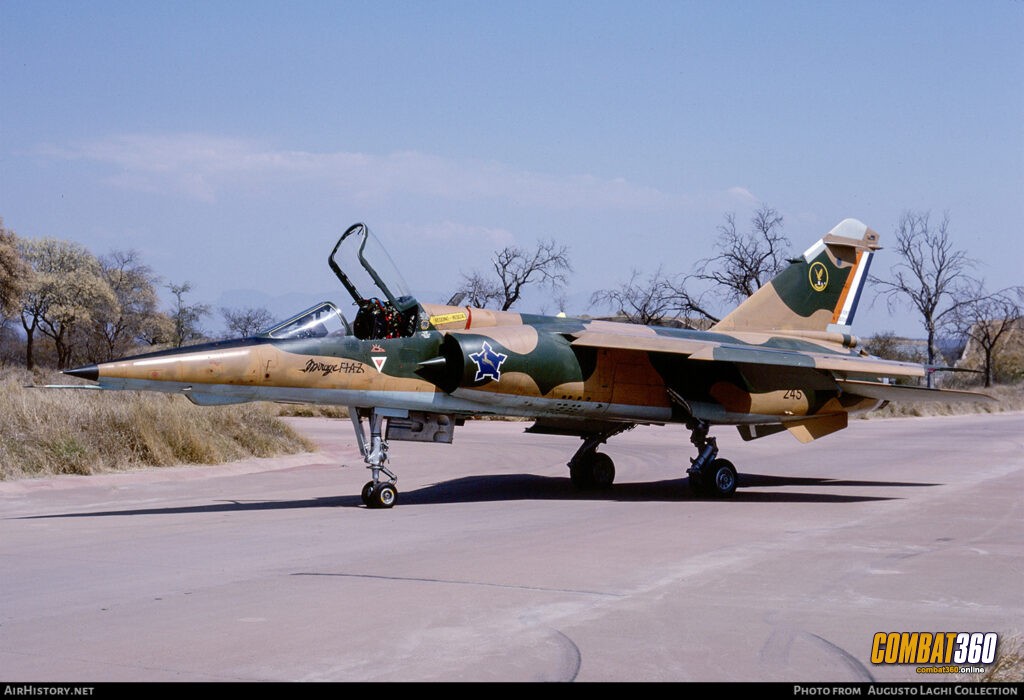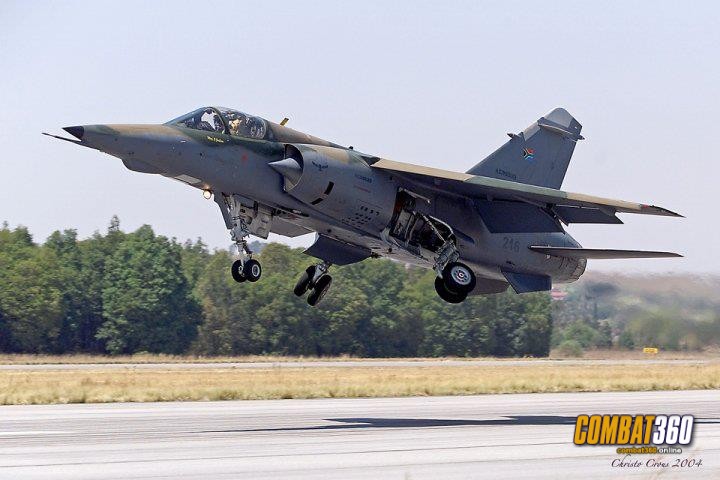
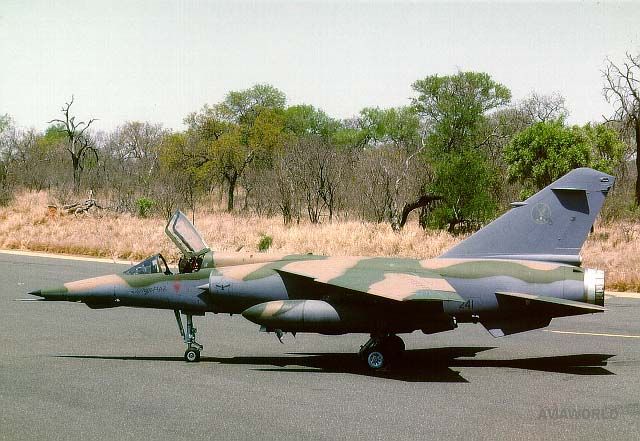
The Dassault Mirage F1AZ was a dedicated single-seat, single-engine ground attack/strike aircraft that served with the South African Air Force (SAAF) from 1975 until its retirement in November 1997. It was developed specifically for the SAAF, which sought a simplified version of the Mirage F1CZ for day visual attack missions. The South African Air Force (SAAF) operated a fleet of 32 Mirage F1AZ aircraft, which saw extensive combat during the Border War from the mid-1970s until their retirement in November 1997.
Key Aspects of SAAF Mirage F1AZ Service
- Role: Primarily used for low-level strike sorties, the F1AZ was equipped with a sophisticated Doppler navigation system and an Aïda II ranging radar with a laser-ranger for improved accuracy in attack missions.
- Total Aircraft: The SAAF received a total of 32 F1AZ aircraft, with serial numbers ranging from 216 to 247. These were delivered between November 1975 and October 1976 and assigned to No. 1 Squadron. The SAAF also operated 16 Mirage F1CZ interceptors, bringing the total F1 fleet to 48 aircraft.
- Operational History: The aircraft was used extensively during the Border War (also known as the South African Border War or the Angolan conflict). Its capabilities, including a significant combat radius and reliability, made it a key asset for the SAAF, operating against targets defended by Soviet-supplied anti-aircraft weapons and MiG-23 fighters. One notable engagement involved an F1AZ (serial ‘245’) being shot down by an SA-13 SAM during an interdiction sortie in Operation Hooper in February 1988. While the F1CZs of 3 Squadron were responsible for the SAAF’s only air-to-air kills of the war (two Angolan MiG-21s in separate engagements), the F1AZs focused on ground targets, including armored columns and infrastructure.
- Operational Scope: The SAAF Mirage F1s (both AZ and CZ variants) flew over 1,800 combat missions. The AZs were primarily used for precision low-level strike missions, using their integrated laser rangefinder and computers for accurate unguided bombing (CCRP – Computer Controlled Release Point).
- Operational Environment: SAAF F1 pilots faced significant threats from Soviet-supplied air defense systems, including various SAMs (SA-8, SA-9, SA-13) and enemy fighter aircraft like the MiG-21 and MiG-23. The aircraft were fitted with locally developed radar warning systems (RWS) and chaff/flare dispensers (RIMS) to enhance survivability in this environment.
- Attrition: Over their service life, there were 15 recorded incidents or losses for the SAAF F1 fleet. One F1AZ was confirmed shot down by a FAPLA (Angolan) SA-13 Gopher surface-to-air missile (SAM) in February 1988. Another was lost after flying into the ground at night, though the cause was undetermined.
- Armament: It could carry a variety of weapons, including AS.30 and AS.20 missiles, Raptor 1 glide bombs, general-purpose bombs (Mk 81, Mk 82, 1000 lb), cluster bombs, and 30mm cannons.
- Mid-air Refueling: The SAAF F1AZs were fitted with a retractable refueling probe, which extended their operational range and endurance.
- Service Period: The F1AZ was in active SAAF service for approximately 22 years (1975-1997).
- Retirement: The 32 aircraft in the SAAF’s fleet were withdrawn from service due to budget cuts in the mid-1990s, after nearly 22 years of service. An initial plan to upgrade them after the Cheetah program was completed was abandoned due to a lack of funding.
- Post-SAAF: After retirement, many of the aircraft were acquired by the Paramount Group, a South African aerospace and defense company, which offers maintenance and training capabilities to other nations, such as Gabon and the Republic of the Congo, who continue to operate the aircraft.