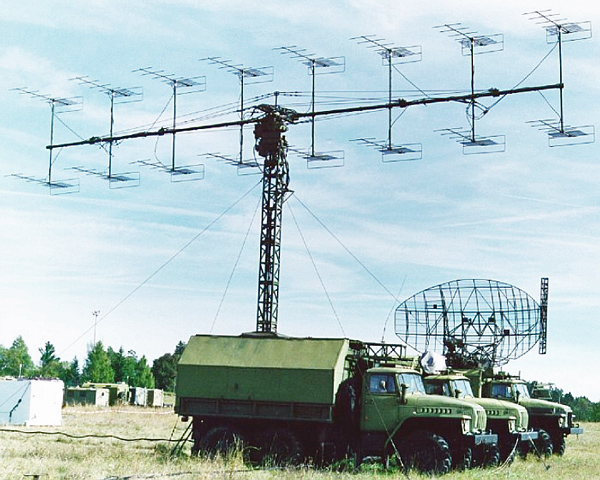
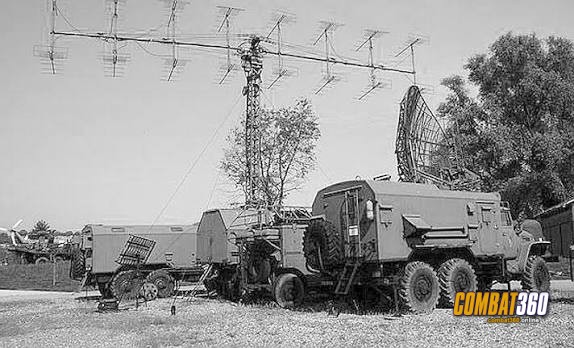
The P-18 (NATO reporting name: “Spoon Rest D”) was a mobile, VHF-band 2D early warning and target acquisition radar deployed by Soviet-backed forces (FAPLA and Cuban forces) during the Angolan Civil War and the South African Border War.
Role in the Angolan Conflict
- Integrated Air Defense Network: The P-18 was part of a strategic “zigzag” early warning and ground-controlled interception (GCI) radar network set up by Soviet and Cuban military advisors along the Namibe-Menongue railway line in southern Angola.
- Key Deployment Sites: It operated alongside other Soviet systems-such as P-15 (“Flat Face”), P-35 (“Bar Lock”), and Side Net height-finder radars-at major hubs including Namibe, Lubango, Menongue, Cahama, and Cuito Cuanavale.
- Support to SAMs and Fighters: The P-18 provided target tracking and early detection data to vector MiG-23 interceptors and guide surface-to-air missile (SAM) batteries, including the SA-3 (S-125 Pechora) and SA-2 systems, posing a serious threat to South African Air Force (SAAF) operations.
- Cuito Cuanavale Campaign (1987-1988): During the intense battles around Cuito Cuanavale, P-18 and P-19 radar stations were actively maintained and operated by Soviet and Angolan/Cuban personnel to track enemy aircraft and coordinate air defenses