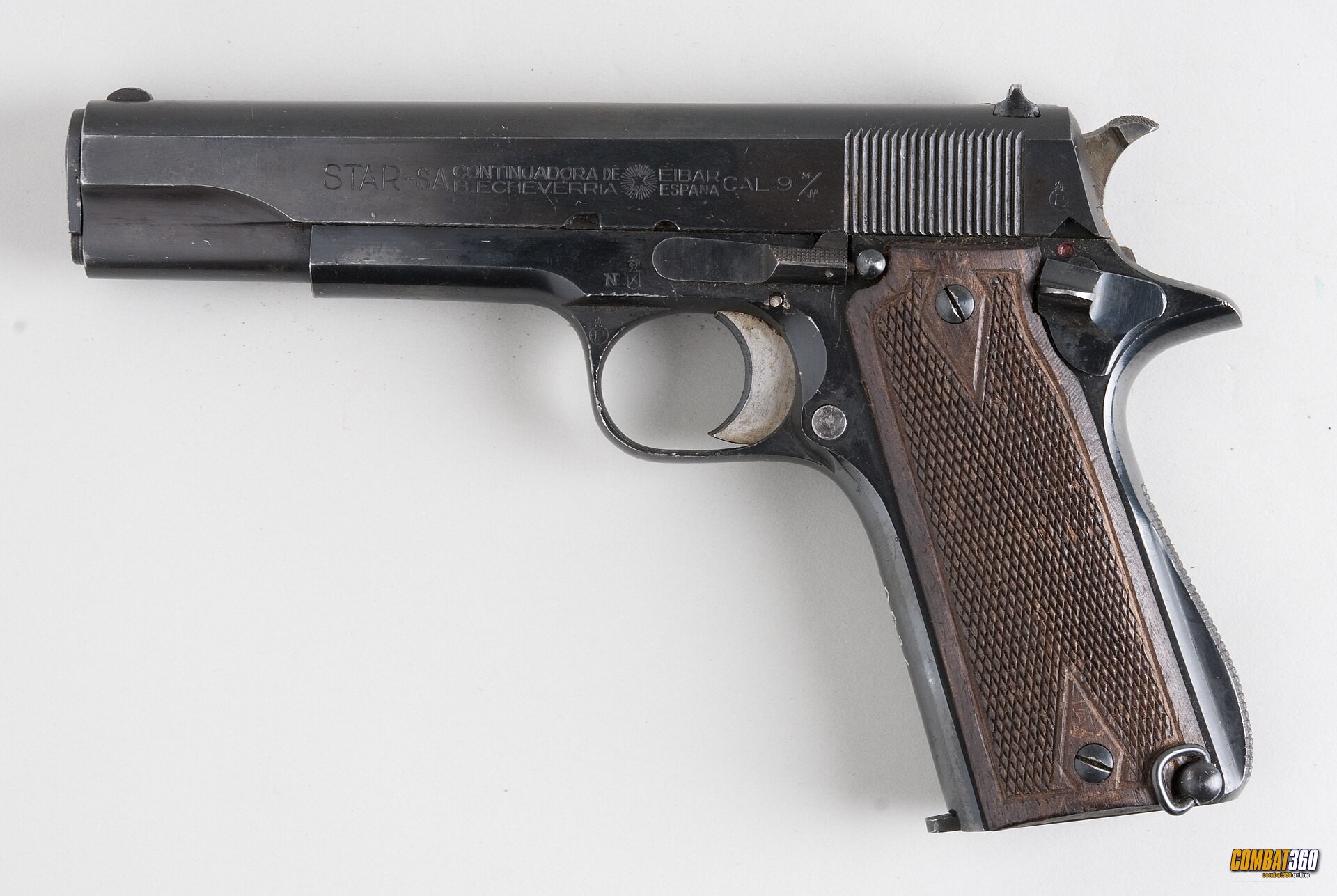
Star pistols - most notably the Model B, Super B, and Model BM - served as standard sidearms for the South African military and police for decades. Manufactured by the now-defunct Spanish company Star Bonifacio Echeverria, these 1911-style, all-steel firearms are...
Country
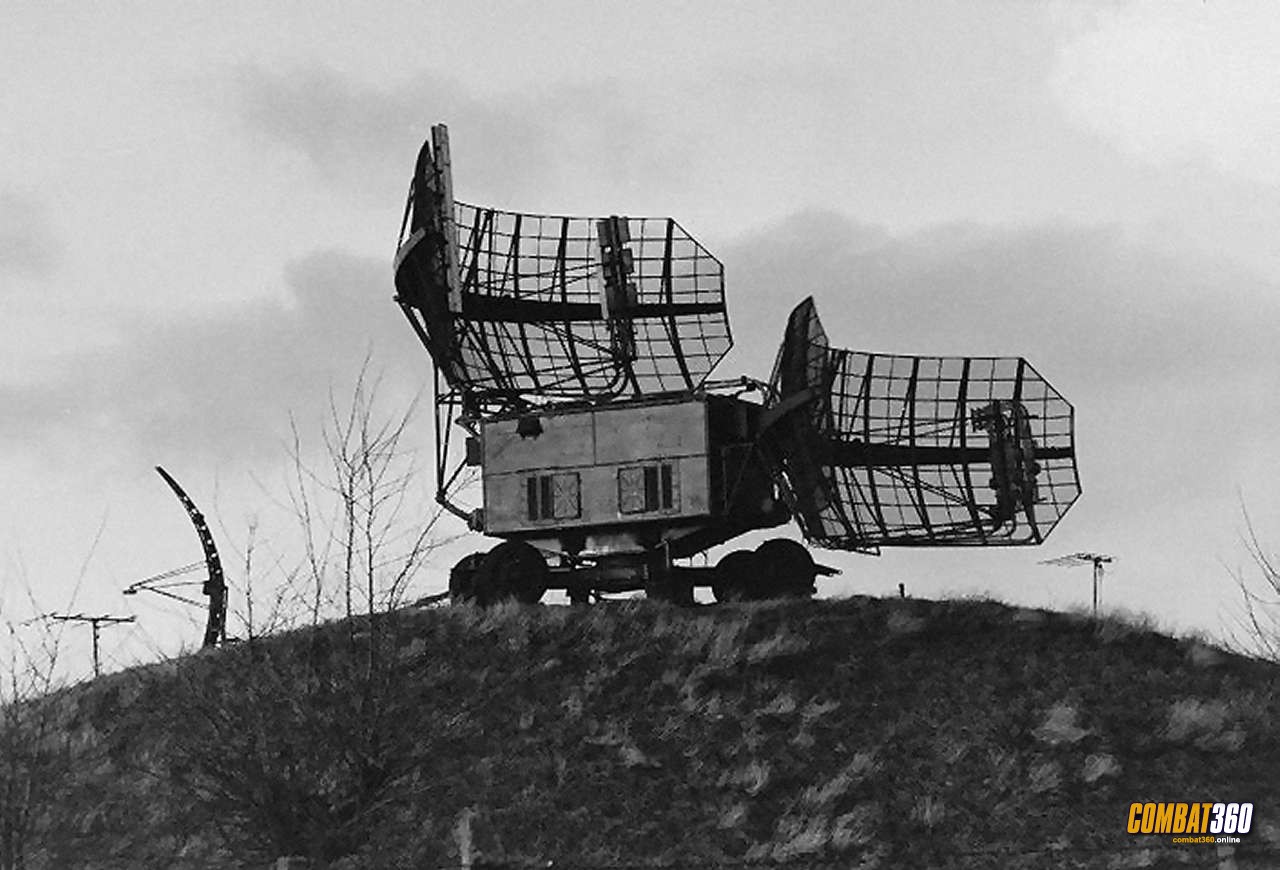
P-35M ‘Bar Lock-B’ Radar
The P-35M (NATO reporting name "Bar Lock") was a highly capable Soviet 2D mobile early-warning and ground control intercept (GCI) radar deployed to Angola in the 1980s. Its presence fundamentally altered the airspace dynamics of the Angolan Civil War, challenging the...
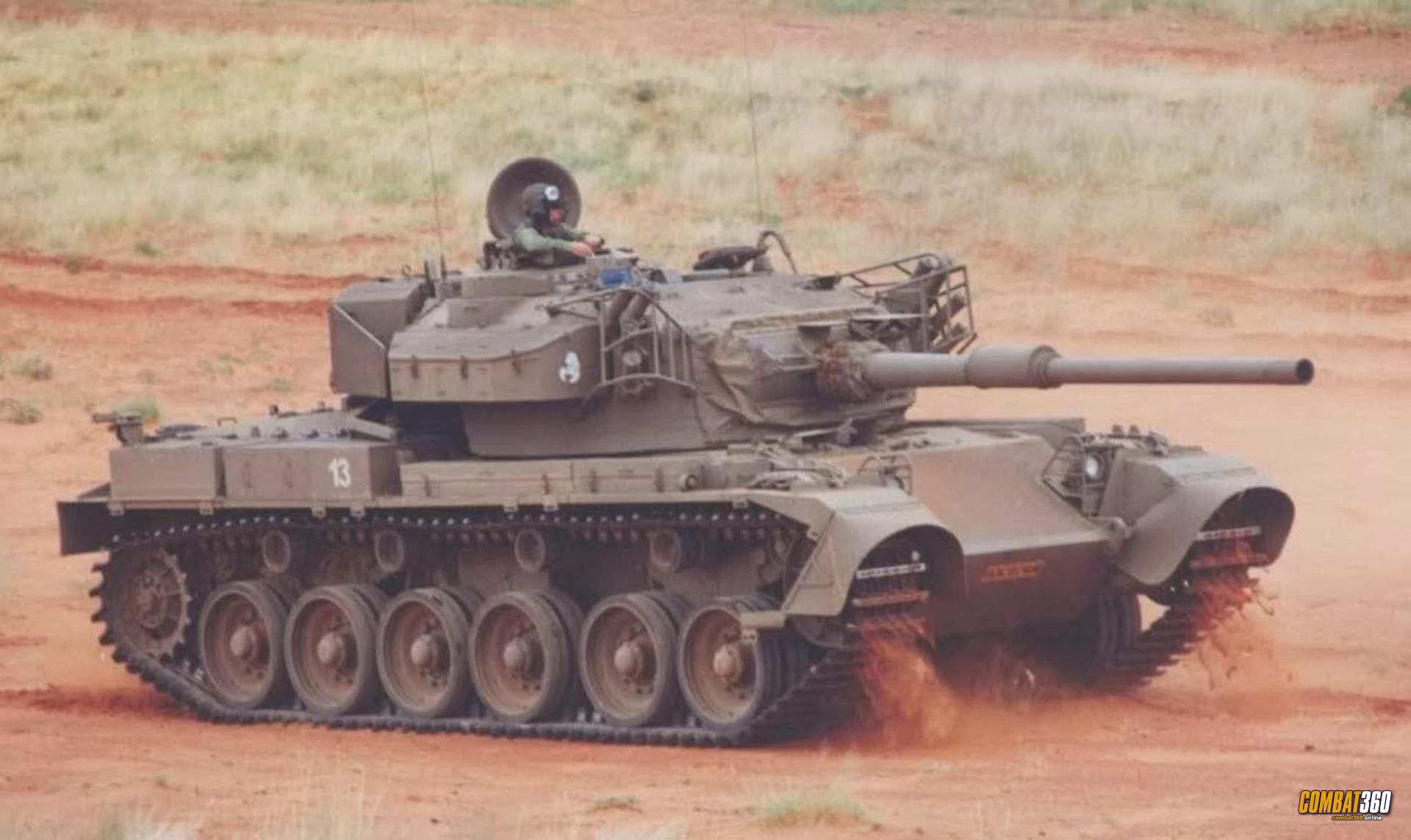
Olifant Mk1A
The Olifant Mk1A is a South African main battle tank (MBT) that represents an extensive upgrade of the British Centurion tank. The development of the Olifant series began in the 1970s as South Africa sought to modernize its aging Centurion fleet to meet the demands of...
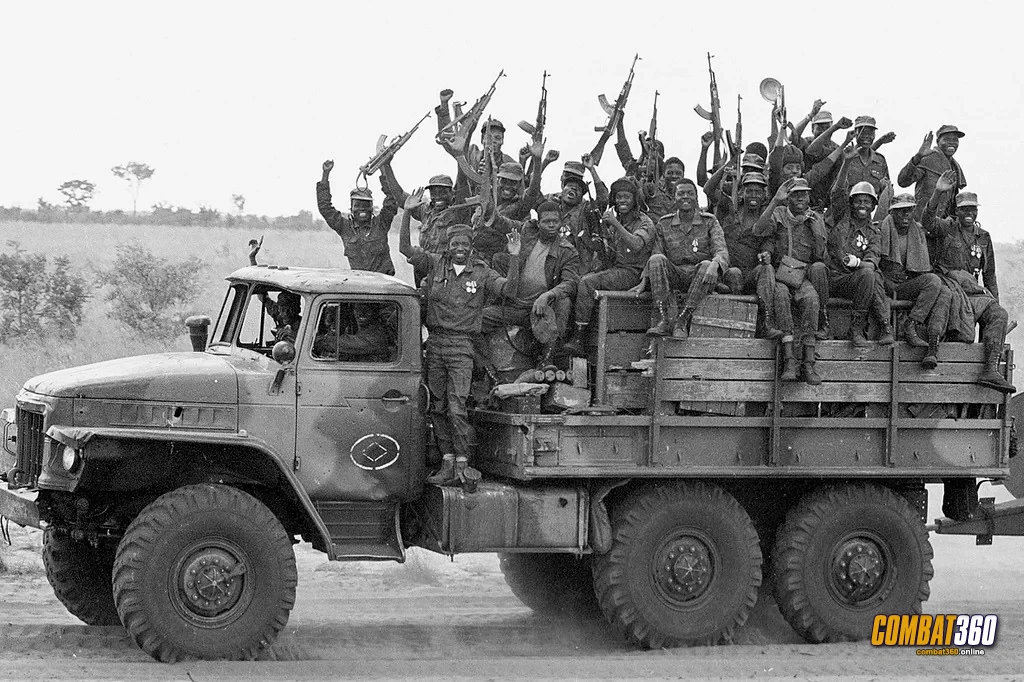
Ural-375
The Ural-375 is a highly capable Soviet-designed 4.5-ton 6×6 multi-purpose military truck that saw widespread tactical deployment in Angola. It served as a primary heavy logistics and weapons platform during the Angolan Civil War and subsequent regional conflicts....
Cangamba
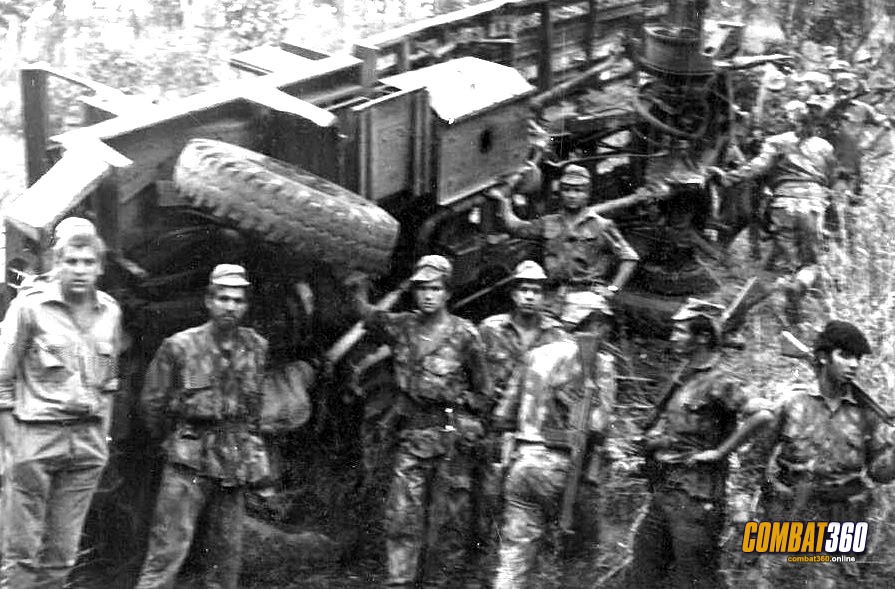
Black Day – Operation Sagres 3 – Aug 14, 1969
As was customary for all operations, Captain Tomás held a meeting with the Lieutenants to plan the details of this operation.The order came from Sector A Command in Vila Cabral, via B.Caç.2853 in Macaloge, on which we were operationally dependent. The operational...
Aeródromo Base Nº 7 (AB7) – Tete
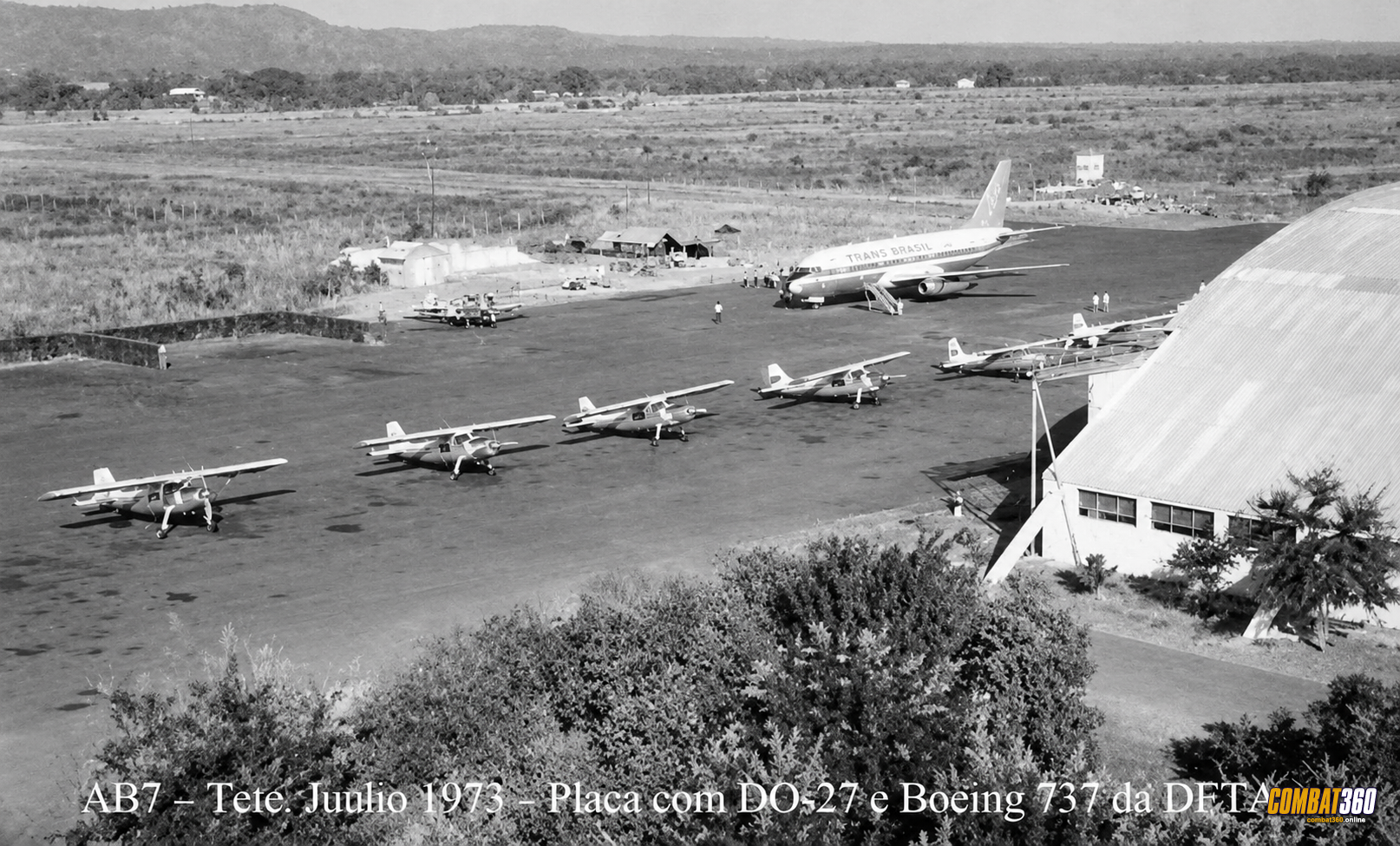
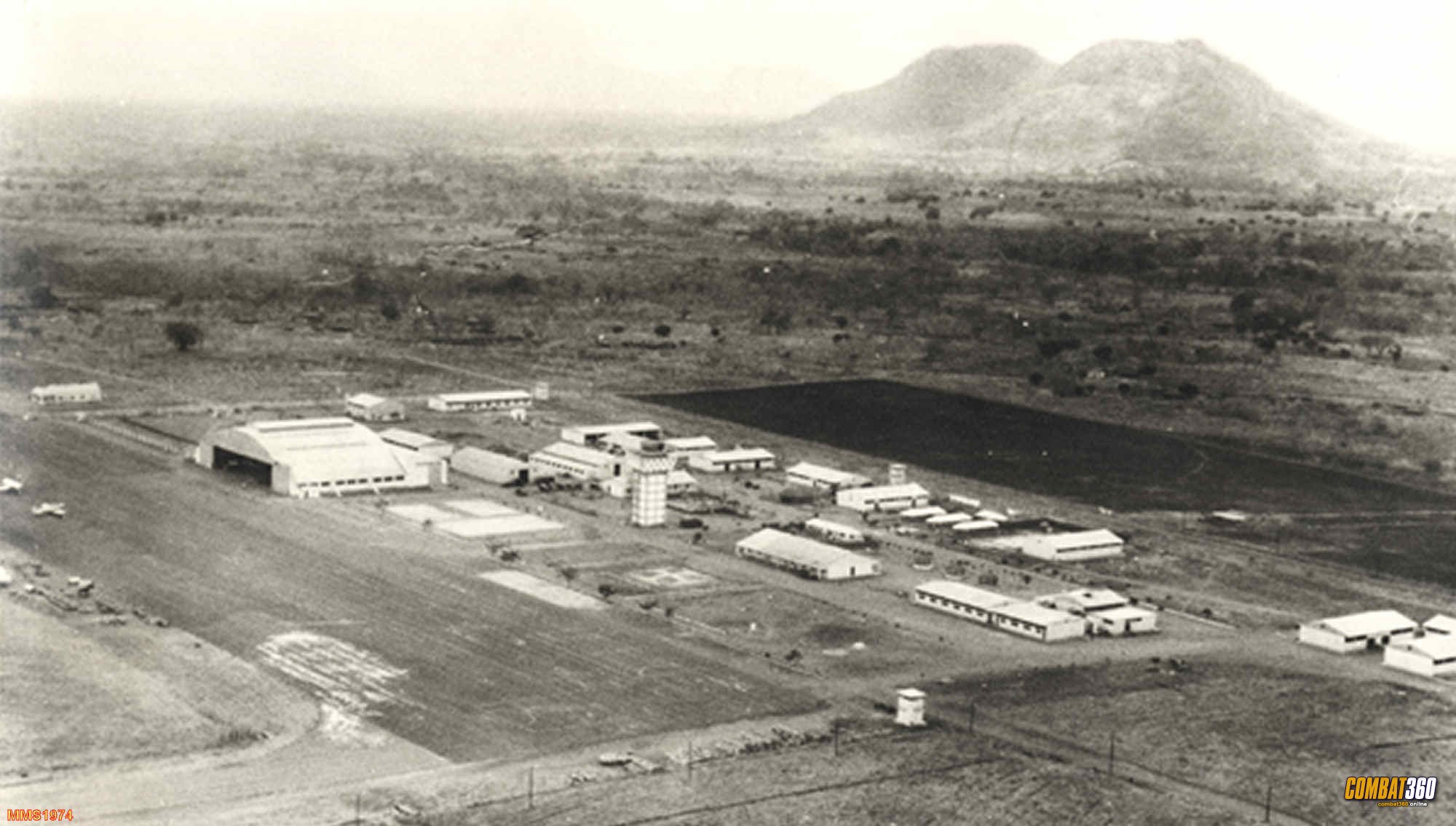
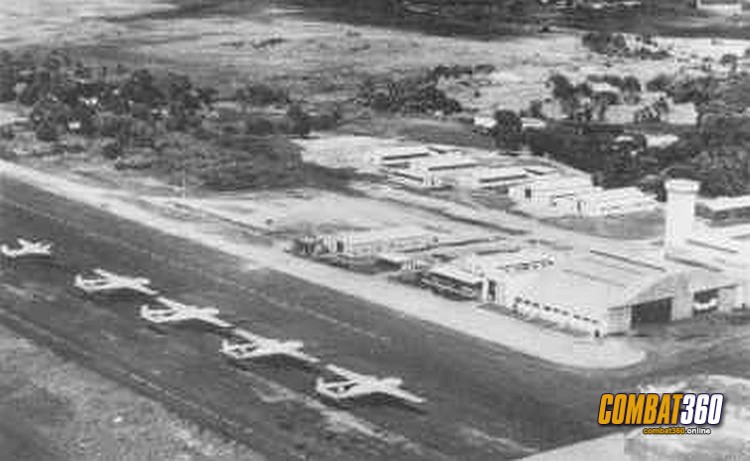
During the Portuguese Colonial War (1961–1974), Aeródromo Base N.º 7 (AB7) was a primary sector airbase located in the Matundo/Chingodzi region of Tete, Mozambique (3rd Aerial Region) and a critical operational hub. It directly supported anti-guerrilla actions, border...
Aeródromo Base Nº 6 (AB6) – Nova Freixo
Aerodrome-Base No. 6 (AB6), historically known as Aeródromo-Base Nº 6, is a military airfield of the Portuguese Air Force. Located in Nova Freixo (now Cuamba), Mozambique, during its operational era as a overseas base. According to colonial air force doctrine, "Base...
Aeródromo Base Nº 5 (AB5) – Nacala
The military facility historically known as Aeródromo-Base Nº 5 (AB5) in Nacala, Mozambique, played a vital role for the Portuguese Air Force during the Portuguese Colonial War (Guerra do Ultramar). During its peak military deployment as Aeródromo-Base Nº 5 (AB5)...
Aeródromo de Manobra Nº 71 (AM71) – Furancungo
Aeródromo de Manobra Nº 71 (AM71), located near Chitima and Estima in the Tete Province, was a purpose-built tactical airbase designed to counter a specific strategic threat: FRELIMO's campaign to sabotage the construction of the massive Cahora Bassa Dam. As...
Aeródromo de Manobra Nº 51 (AM51) – Mueda
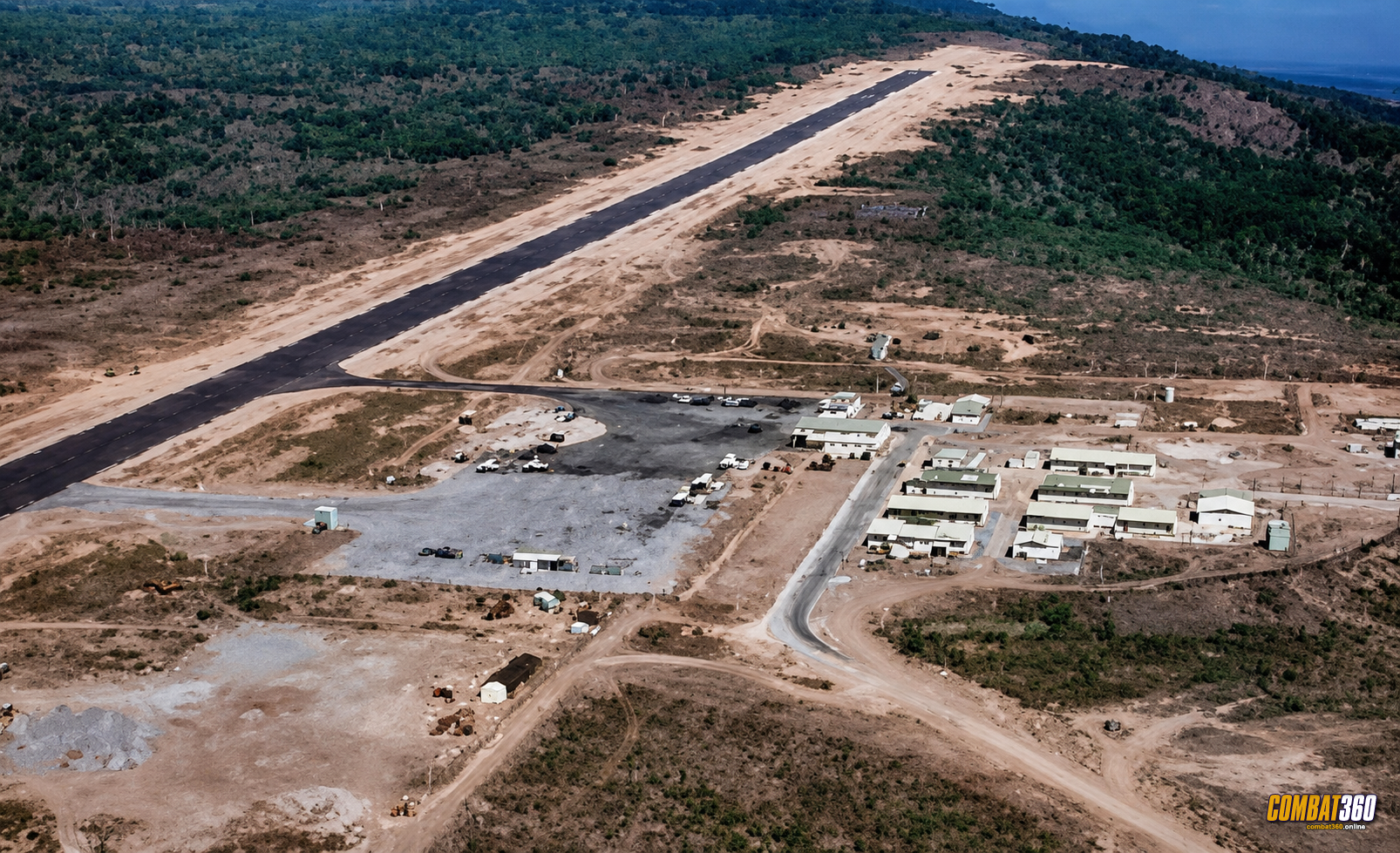
Aeródromo de Manobra Nº 51 (AM51), situated on the high plateau of Mueda in the northern Cabo Delgado province, was arguably the most critical, heavily fortified, and dangerous forward airbase operated by the Portuguese Air Force (Força Aérea Portuguesa -...
Base Aérea Nº 10 (BA10) – Beira
Base Aérea Nº 10 (BA10) was established in February 1961 next to the strategic port city of Beira. It served as the operational heart and command centre for Air Region 3 (ZA3) during the Portuguese Colonial War. Because Beira occupied a central location in Mozambique,...
Base Aérea Nº 8 (BA8) – Lourenço Marques
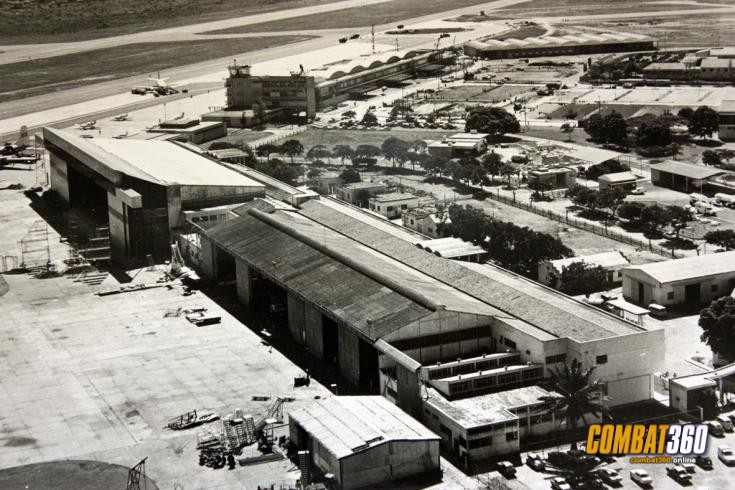
Base Aérea Nº 8 (BA8), co-located with the civilian Mavalane Airport (now Maputo International Airport), served as the primary strategic and logistics command hub for the Portuguese Air Force (Força Aérea Portuguesa - FAP) in southern Mozambique. Because it was...
Fokker F-27
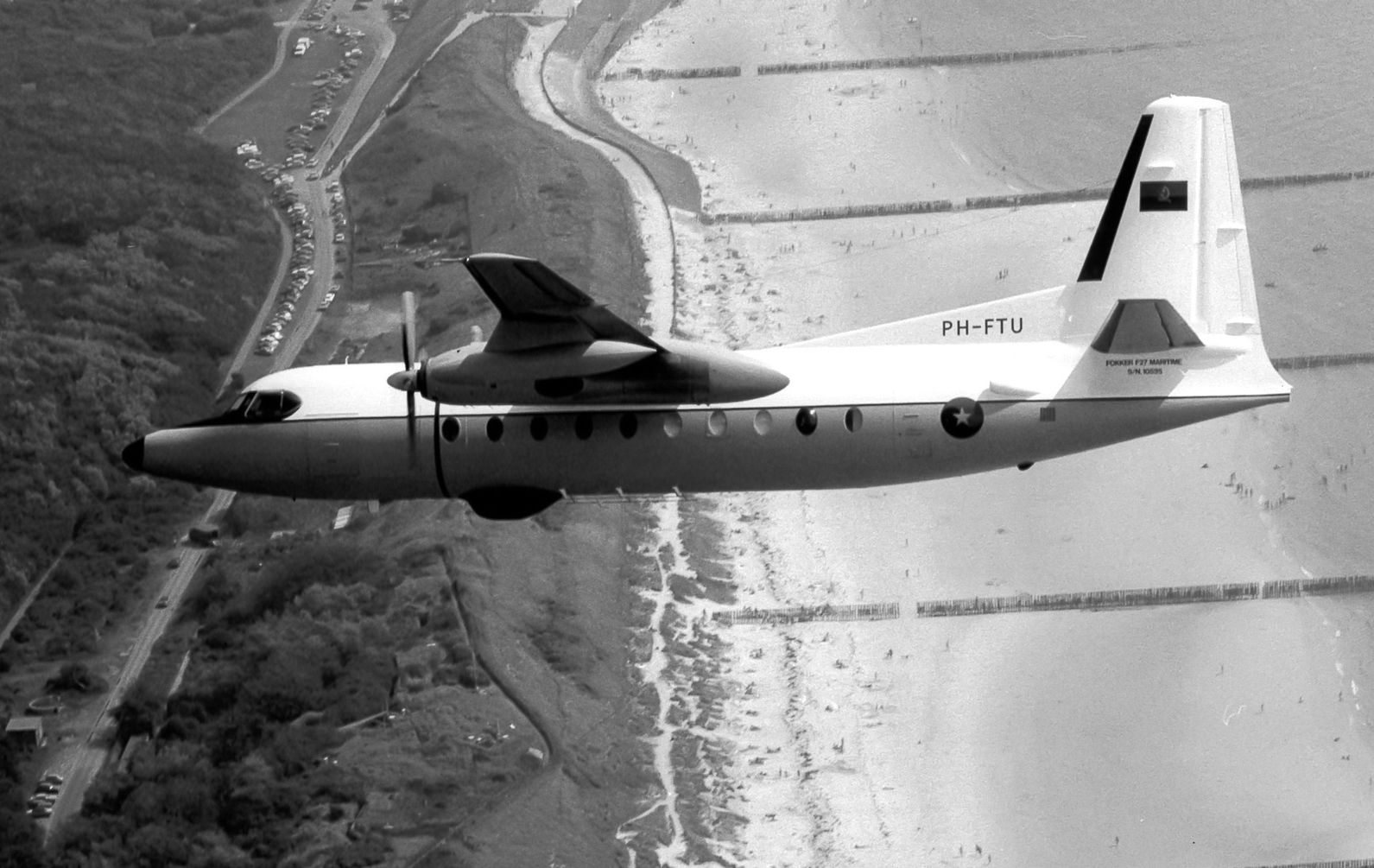
Angola's military, specifically the Air Force (FAP), operated Fokker F-27s, primarily the F-27 Maritime Patrol Aircraft (MPA) variant for coastal surveillance and reconnaissance during the late Cold War era, with one F-27M-200 MPA entering service around 1980, used to...
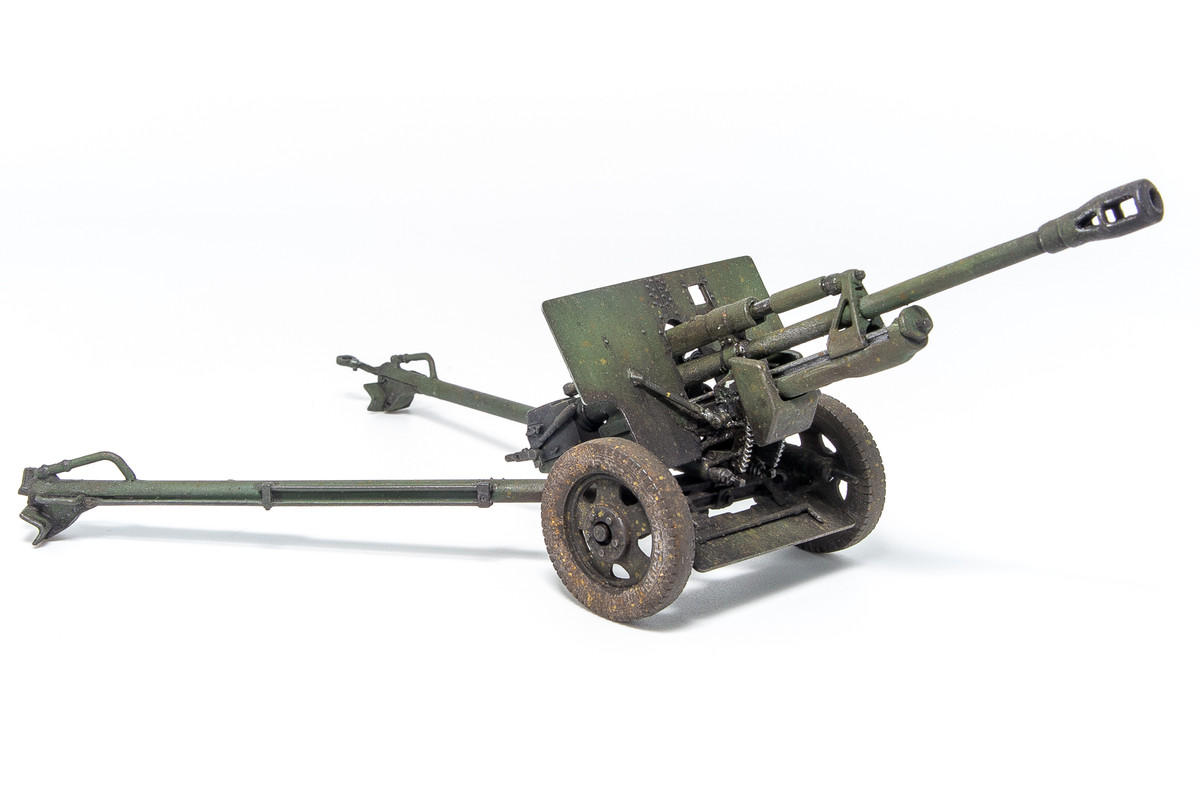
ZiS-3
The Soviet-made ZiS-3 76.2mm divisional gun was used extensively in Angola during the Angolan Civil War and South African Border War, primarily by the MPLA/FAPLA (Soviet/Cuban allies) against UNITA and South African forces, where its reliability and effectiveness made...
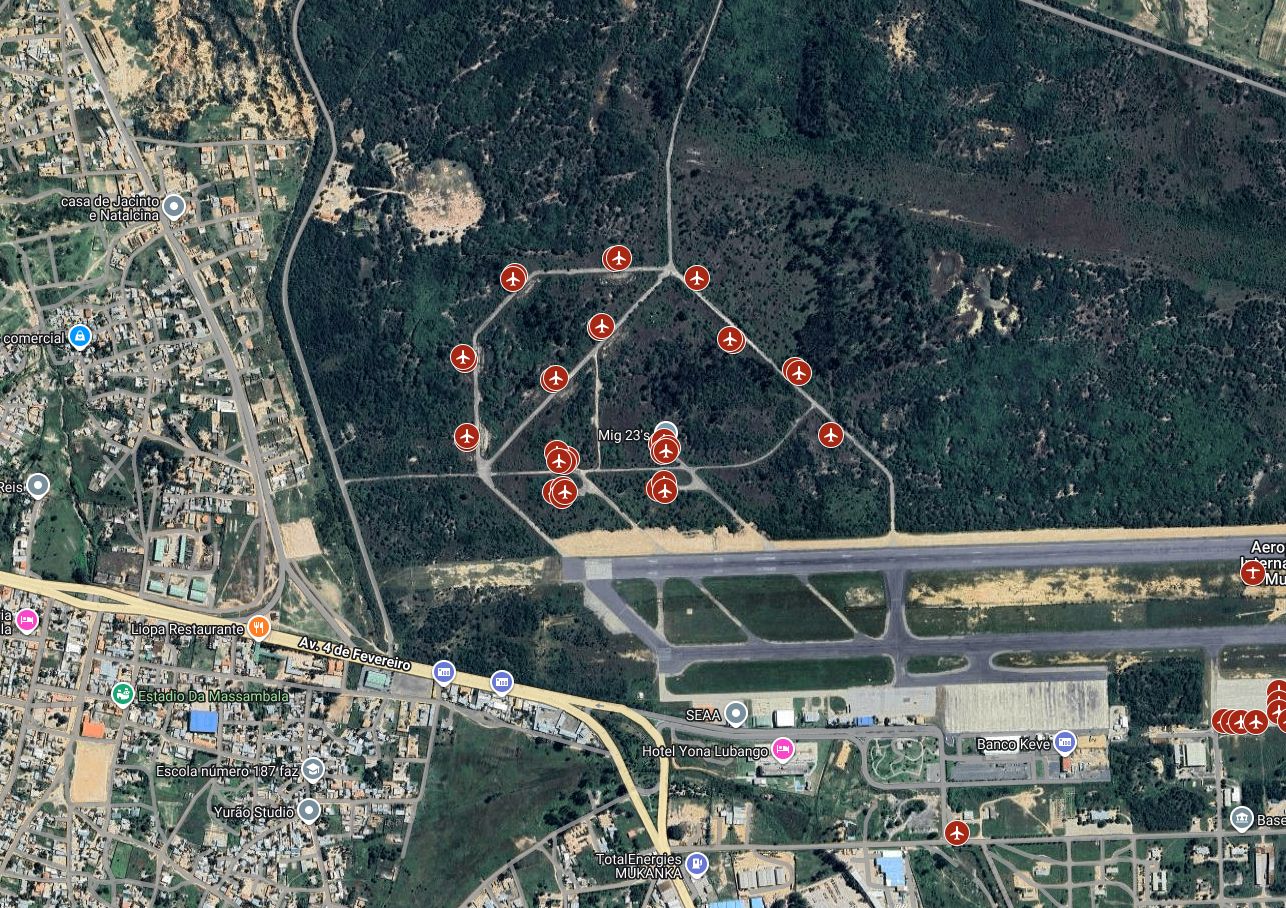
Lubango AB
As of mid-1985, the centrepiece of the Angolan fighter-bomber operations remained the 9th Fighter Aviation Regiment (Regimento Aéreo de Caҫa, RAC). Established on 23 July 1984, and headquartered at Lubango AB, this regiment consisted of one operational conversion unit...